
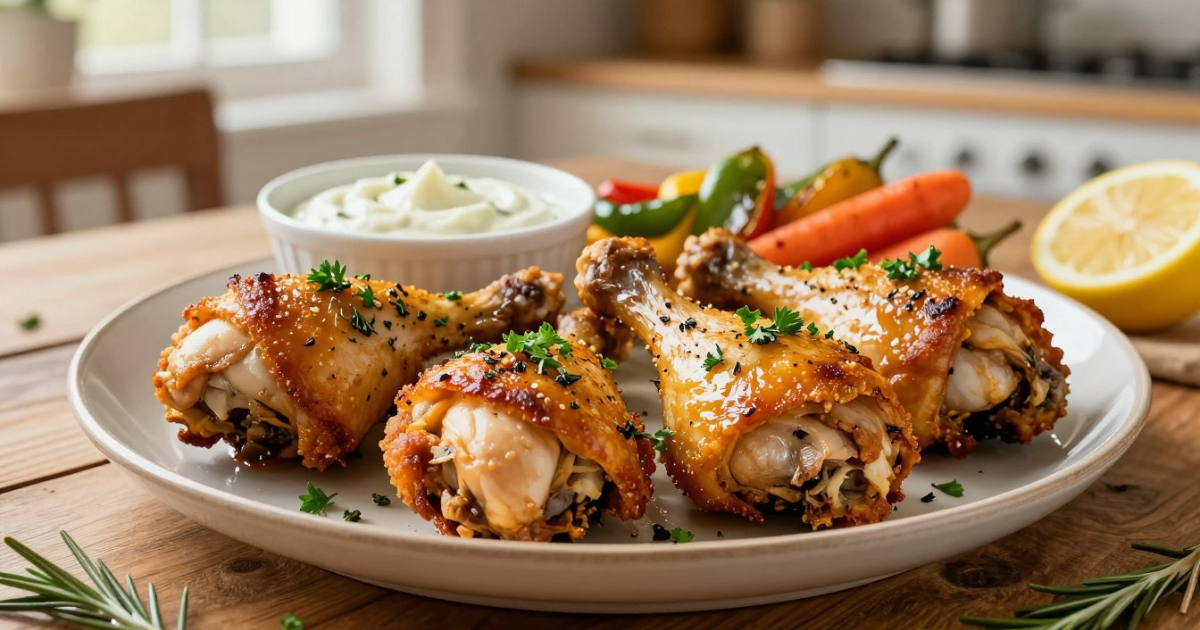
Easy Chicken Leg Quarters – Oven-Baked and Delicious
Table of Contents
Are you looking for a simple, budget-friendly meal that delivers big flavor every single time? Preparing chicken leg quarters in your oven is one of the most reliable ways to get a crispy skin and juicy meat without any stress. This method is perfect for busy weeknights when you need a hearty dinner on the table with minimal effort.
You will discover how to season these cuts to perfection and achieve that golden-brown finish that everyone loves. Whether you are a beginner in the kitchen or a seasoned home cook, this guide provides everything you need to master this classic dish. Get ready to transform these affordable chicken leg quarters into a restaurant-quality meal that your entire family will enjoy.
Key Takeaways
Why You Should Consider Chicken Leg Quarters for Your Next Meal
Why Chicken Leg Quarters Are a Family Favorite
- Learn the best temperature settings for perfectly roasted poultry.
- Discover simple seasoning blends that enhance natural flavors.
- Understand how to achieve crispy skin without deep frying.
- Save time with a low-maintenance, hands-off cooking process.
- Master the art of checking for doneness to ensure safety and quality.
Why Chicken Leg Quarters Are the Perfect Budget-Friendly Meal
If you’re searching for a meal that’s both affordable and nutritious, consider chicken leg quarters. They offer a delicious and cost-effective solution for family dinners, providing a great balance between quality and price.
Nutritional Benefits of Dark Meat
Dark meat, found in chicken leg quarters, is rich in nutrients. It contains more iron and zinc compared to white meat, making it a nutritious choice. These nutrients are essential for maintaining healthy red blood cells and a robust immune system.
The higher fat content in dark meat also makes it more tender and juicy when cooked properly. This can be particularly beneficial for families with children or for those who prefer more flavorful meat.
Cost-Effectiveness for Family Dinners
Chicken leg quarters are generally cheaper than other chicken cuts, making them an economical option for families. They can be cooked in various ways, providing flexibility in meal planning. Whether you’re in the mood for something spicy, smoky, or simply seasoned with herbs, chicken leg quarters can be adapted to suit any taste.
Additionally, cooking chicken leg quarters in bulk can help reduce food waste and save money. You can easily scale up your recipe to feed a larger family or save leftovers for future meals.
Essential Ingredients for Flavorful Chicken Leg Quarters
Flavorful chicken leg quarters start with the right ingredients and a bit of preparation know-how. When it comes to baking chicken legs and thighs, the quality of your ingredients can make all the difference in the final product.
Selecting High-Quality Poultry
The first step in making delicious chicken leg quarters is selecting high-quality poultry. Look for fresh or frozen chicken leg quarters that have a good balance of meat and fat. The fat content is crucial as it helps keep the meat moist during the baking process.
When purchasing chicken, consider the following factors: the color of the meat, the presence of any visible damage or tears in the packaging, and the expiration or “use by” date.Fresh chicken should appear pink in color and feel firm to the touch . Avoid chicken with visible signs of aging, such as a grayish hue or a strong odor.
Dry Rubs Versus Wet Marinades
The next important choice is deciding between a dry rub and a wet marinade. Both methods can produce exceptionally flavorful results, but they work in different ways.
Dry rubs involve coating the chicken with a mixture of spices, herbs, and sometimes sugars directly onto the surface. This method creates a crust on the chicken that can add texture and flavor. On the other hand, wet marinades involve soaking the chicken in a liquid mixture that can include acids like vinegar or lemon juice, oils, and spices. Wet marinades can help tenderize the chicken and add moisture.
Recommended Herb and Spice Combinations
For both dry rubs and wet marinades, the choice of herbs and spices is vast. Here are some popular combinations:
| Cuisine | Herb/Spice Combination | Description |
|---|---|---|
| Mediterranean | Oregano, thyme, garlic, lemon zest | Bright, herby flavors with a hint of citrus |
| Spicy BBQ | Paprika, chili powder, cumin, brown sugar | Smoky, spicy, and slightly sweet |
| Indian-inspired | Garam masala, cumin, coriander, cayenne pepper | Warm, aromatic spices with a touch of heat |
Experimenting with different herb and spice combinations can help you find your favorite flavors for baked chicken leg quarters.
Preparing Your Chicken for the Oven- Chicken Leg Quarters
Before you start baking, it’s essential to prepare your chicken leg quarters properly. This step is crucial for achieving delicious and tender results. Proper preparation involves a few key steps that ensure your chicken cooks evenly and tastes great.
Proper Thawing Techniques
If you’re starting with frozen chicken leg quarters, thawing them correctly is the first step. The safest method for thawing frozen chicken is to place it in the refrigerator. Plan for roughly 24 hours of thawing time for every 4–5 pounds of chicken.Alternatively, you can thaw chicken in cold water, changing the water every 30 minutes to maintain safety. Avoid thawing chicken at room temperature, as it can promote bacterial growth.
Trimming Excess Fat and Skin
Trimming excess fat and skin from your chicken leg quarters can improve the overall quality of your dish. While some fat can add flavor, excess fat can make the chicken greasy. Use a sharp knife to carefully trim any excess fat or loose skin. This step is optional but can result in a cleaner, more even cook.
Patting Dry for Crispy Skin
To achieve crispy skin, it’s essential to pat your chicken leg quarters dry with paper towels before baking. This step removes excess moisture from the surface, allowing the skin to crisp up in the oven. Make sure to pat both sides of the chicken thoroughly.
By following these preparation steps, you’ll be well on your way to creating delicious oven-baked chicken leg quarters that are sure to please. Proper thawing, trimming, and drying all contribute to a better final product.
Mastering the Oven-Baked Chicken Leg Quarters Technique
The art of baking chicken leg quarters to perfection involves understanding the nuances of oven temperature and chicken arrangement. To achieve this, you’ll need to focus on a few critical aspects of the baking process.
Setting the Ideal Oven Temperature
Preheating your oven to the right temperature is essential for cooking chicken leg quarters evenly. A temperature of 425°F (220°C) is generally recommended as it allows for a nice balance between cooking the chicken through and crisping the skin.
Arranging Chicken on the Baking Sheet
How you arrange the chicken leg quarters on the baking sheet can significantly impact the final result. It’s advisable to leave some space between each piece to allow for even airflow. This helps in achieving crispy skin all around.
Using a Wire Rack for Even Airflow
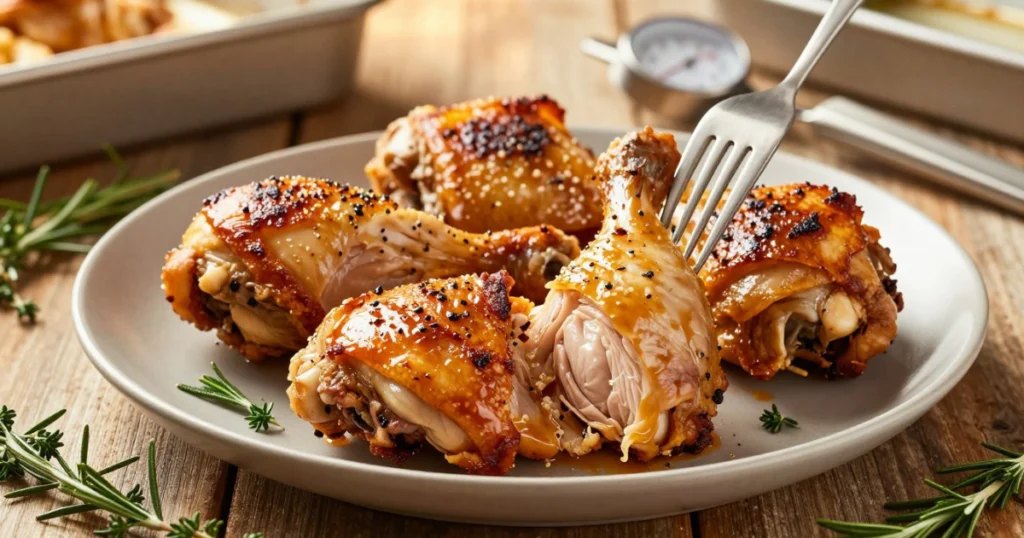
For an extra crispy exterior, consider using a wire rack on your baking sheet. This elevates the chicken, allowing hot air to circulate under the pieces. The result is a more evenly cooked and crisper chicken leg quarters dish.
By mastering these techniques, you’ll be able to consistently produce deliciously baked chicken leg quarters that are sure to impress. Whether you’re cooking for a family dinner or a gathering, this skill will serve you well.
Achieving Perfectly Crispy Skin Every Time-Chicken Leg Quarters
Achieving that perfect crunch on your oven-baked chicken leg quarters is easier than you think. The key lies in understanding the techniques that enhance the texture and appearance of the skin. By applying a few simple methods, you can significantly improve the crispiness of your chicken leg quarters.
The Role of Oil and Butter
Oil and butter play crucial roles in achieving crispy skin. Oil helps to crisp the skin by conducting heat evenly, while butter adds flavor and promotes browning. You can use either one or a combination of both, depending on your preference.
When using oil, choose a high-smoke-point oil like avocado or grapeseed oil to prevent burning. For butter, you can brush it on during the last stages of cooking to avoid burning.
- Use a light coating of oil to avoid greasiness.
- Brush butter towards the end of cooking for enhanced flavor.
Basting During the Cooking Process
Basting is a technique that involves brushing the chicken with its own juices or a marinade during cooking. This helps to keep the meat moist and promotes even browning of the skin.
To baste effectively, use the pan juices or a mixture of oil, herbs, and spices. Baste the chicken every 20-30 minutes to maintain moisture and enhance flavor.
Broiling for a Golden Finish
Broiling is a great way to achieve a golden-brown finish on your chicken leg quarters. By placing the chicken under the broiler for a few minutes, you can enhance the color and crispiness of the skin.
To broil effectively, keep a close eye on the chicken to prevent burning. The high heat can quickly go from perfectly golden to burnt.
How to Tell When Your Chicken Is Fully Cooked
Achieving perfectly cooked chicken leg quarters requires attention to detail, particularly when it comes to checking if they’re fully cooked. Ensuring your chicken is cooked to a safe internal temperature is crucial for food safety and a satisfying dining experience.
Using a Meat Thermometer Correctly-chicken leg quarters
The most accurate way to determine if your chicken leg quarters are fully cooked is by using a meat thermometer. To do this correctly, insert the thermometer into the thickest part of the leg quarter, avoiding any bones or fat. The internal temperature must reach 165°F (74°C) to ensure it is fully cooked.
Here’s a simple guide to thermometer placement:
| Thermometer Placement | Target Temperature |
|---|---|
| Thickest part of the leg quarter | 165°F (74°C) |
Visual Cues for Doneness-chicken leg quarters
While a thermometer is the most accurate method, there are visual cues you can look for to check if your chicken leg quarters are done. The meat should be opaque and firm to the touch, and the juices should run clear when cut. Here’s what to look for:
- Opaque meat
- Firm texture
- Clear juices

The Importance of Resting Your Meat
Once your chicken leg quarters are cooked, it’s essential to let them rest before serving.Letting the chicken rest helps the juices redistribute, resulting in a more tender and juicy texture . It’s recommended to let the chicken rest for 10-15 minutes before serving.
Creative Serving Suggestions and Side Dishes
Elevate your meal with creative serving suggestions for chicken leg quarters. Once you’ve mastered the art of oven-baking chicken leg quarters, the next step is to explore the myriad ways you can serve them. The versatility of chicken leg quarters allows you to pair them with a variety of side dishes, making them a perfect centerpiece for any meal.
Pairing with Roasted Vegetables
Roasted vegetables are a natural pairing with oven-baked chicken leg quarters. The rich flavors of the chicken complement the earthy sweetness of roasted vegetables like carrots, Brussels sprouts, and asparagus. To create a well-rounded meal, simply toss your chosen vegetables in olive oil, season with salt, pepper, and any other desired herbs, and roast them in the oven alongside the chicken.
- Toss vegetables in olive oil and season with salt and pepper
- Roast in the oven at 425°F (220°C) until tender and caramelized
- Consider adding a sprinkle of parmesan cheese for extra flavor
Serving Alongside Grains and Salads
For a more filling meal, consider serving your chicken leg quarters alongside a variety of grains or salads. Quinoa, wild rice, or a simple green salad can provide a satisfying contrast to the savory chicken. You can also get creative with grain salads, incorporating ingredients like roasted vegetables, nuts, and tangy dressings.
- Quinoa and black bean salad with roasted vegetables
- Wild rice pilaf featuring dried cranberries and toasted almonds
- Simple green salad with a homemade vinaigrette
Storing and Reheating Leftovers
If you have leftovers, chicken leg quarters can be stored in the refrigerator for up to three days. To reheat, simply place them in the oven at 350°F (175°C) until warmed through. You can also use leftovers to create new meals, such as chicken salads or wraps.
Tips for Reheating:
- Warm it in the oven to keep the skin crispy.
- Add a splash of chicken broth to keep the meat moist
- Consider shredding or chopping the chicken for use in salads or sandwiches
Conclusion
Now that you’ve learned the secrets to making delicious oven-baked chicken leg quarters, it’s time to get cooking! With the techniques and tips provided in this article, you can create a mouth-watering meal that’s sure to please even the pickiest eaters.
Cooking chicken leg quarters in the oven is a straightforward process that yields impressive results. By following the steps outlined in this article, you can achieve perfectly cooked chicken with crispy skin and juicy meat.
Feel free to experiment with different seasonings and marinades to give your chicken leg quarters a unique flavor. Whether you’re cooking for a weeknight dinner or a special occasion, oven-baked chicken leg quarters are a versatile and crowd-pleasing option.
FAQ
Why are chicken leg quarter recipes considered a top choice for budget-conscious families?
You will find that chicken leg quarter recipes are incredibly popular because they offer the best value per pound at the grocery store. Since these cuts include both the drumstick and the thigh, you get a significant amount of flavorful dark meat for a fraction of the price of chicken breasts. Brands like Tyson and Perdue often provide these in family-sized packs, making it an economical way to serve a high-protein, nutrient-dense meal to your entire household.
What is the secret to achieving perfectly crispy skin when cooking leg quarters in oven?
To ensure your leg quarters in oven have a satisfying crunch, you must prioritize removing surface moisture. You should always pat the skin thoroughly dry with paper towels before seasoning. Additionally, using a Nordic Ware baking sheet equipped with a wire cooling rack allows hot air to circulate entirely around the meat, preventing the bottom from becoming soggy. Coating the skin with a high-smoke-point fat, such as Bertolli Extra Light Olive Oil or melted Kerrygold butter, further aids in the browning process.
How long should you bake baked chicken legs and thighs to ensure they are safe and juicy?
When preparing baked chicken legs and thighs, you should generally cook them at 400°F (204°C) for approximately 40 to 50 minutes. However, the most accurate way to ensure safety is to use a digital meat thermometer like a Thermapen. You want to reach an internal temperature of at least 165°F (74°C). Many home cooks prefer taking dark meat to 175°F or 185°F, as this helps break down the connective tissue, resulting in a more tender, fall-off-the-bone texture.
Can you use both dry rubs and wet marinades for chicken legs oven roasting?
Yes, you can use both, though they yield different results for chicken legs oven preparation. A dry rub, such as McCormick Grill Mates or a custom blend of smoked paprika and garlic powder, is superior for achieving a very crispy skin. If you prefer a wet marinade using ingredients like Kikkoman Soy Sauce or honey, you should marinate the meat for at least 30 minutes, but be sure to wipe off excess liquid before roasting to prevent the chicken from steaming rather than browning.
What are the best side dishes to pair with your oven-baked chicken?
You can create a complete, balanced meal by pairing your chicken with roasted root vegetables like carrots and potatoes, which can often be cooked on the same tray. For a lighter touch, you might serve your chicken alongside a fresh green salad or a side of Uncle Ben’s long-grain wild rice. The rich flavor of the chicken also complements heartier sides like mac and cheese or steamed green beans tossed in a little lemon juice and garlic.
How should you store and reheat your leftovers to maintain their quality?
You should store any leftovers in an airtight container, such as those from Pyrex or Rubbermaid, and keep them in the refrigerator for up to four days. To preserve the texture of the skin, you should avoid reheating the chicken in the microwave, which can make it rubbery. Instead, place the chicken back into a 350°F oven for about 10-15 minutes or use an air fryer to quickly crisp the exterior while keeping the inside moist.