
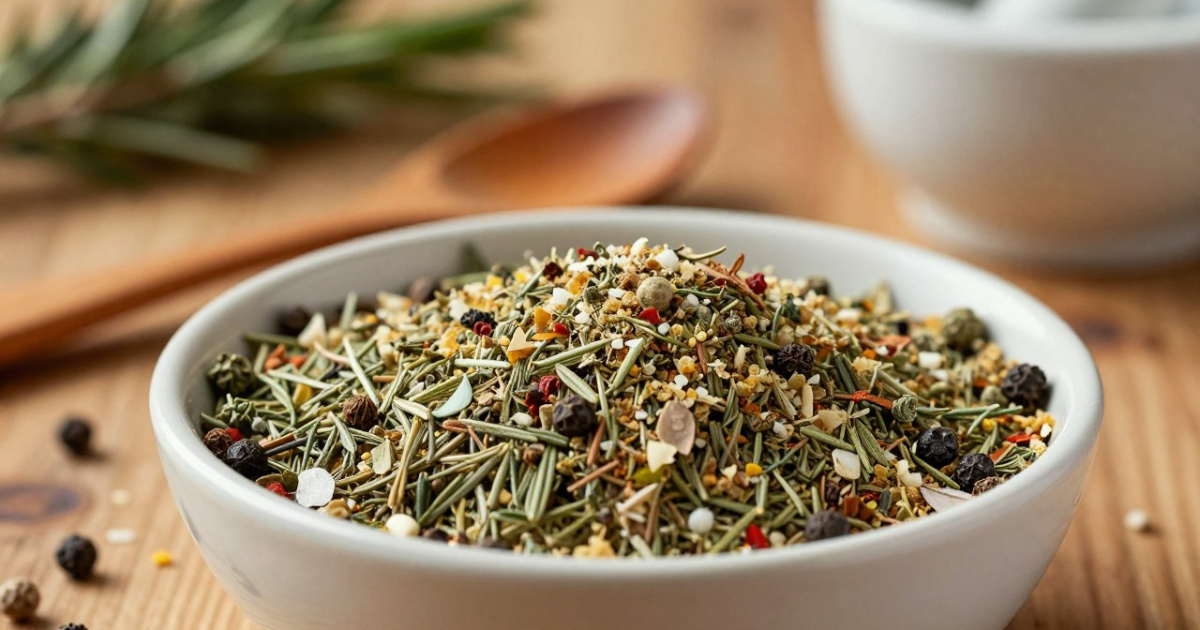
Turkey Seasoning: Easy Homemade Recipe
Table of Contents
Creating a memorable holiday meal starts with the perfect blend of aromatic herbs and spices. When you prepare your own turkey seasoning, you gain complete control over the flavor profile of your main course.
Nothing beats the fresh, vibrant taste of a custom rub crafted right in your kitchen. This simple approach ensures your bird stays moist and flavorful throughout the roasting process.
turkey seasoning
Whether you are planning a grand feast or a cozy dinner, this thanksgiving turkey seasoning guide makes the process effortless. You will discover how easy it is to elevate your cooking with just a few pantry staples.
Key Takeaways
- Homemade spice blends offer superior freshness compared to store-bought alternatives.
- Customizing your rub allows you to adjust salt levels and herbal notes to your preference.
- Proper application of your dry rub ensures a crispy, golden skin every time.
- Simple ingredients like sage, thyme, and rosemary create a classic holiday aroma.
- Making your own mix saves money while providing a professional touch to your dinner.
The Science Behind a Perfect Turkey Seasoning
Understanding the science behind a perfect turkey seasoning can elevate your holiday meal. The process involves more than just sprinkling some herbs and spices on the turkey; it’s about creating a harmonious balance of flavors that enhance the natural taste of the bird.
When it comes to seasoning a turkey, two popular methods are often debated: dry rubs and wet marinades. Dry rubs have gained popularity for their ability to concentrate flavors on the surface of the turkey, creating a delicious crust.
Why Dry Rubs Outperform Wet Marinades
Dry rubs outperform wet marinades for several reasons. Firstly, they provide a more concentrated flavor profile because the spices and herbs are not diluted by liquid. This concentration enhances the overall taste experience, making each bite more flavorful.
- Dry rubs create a flavorful crust on the turkey’s surface.
- They allow for a more even distribution of flavors.
- Dry rubs reduce the risk of making the turkey’s surface soggy.

turkey seasoning
Balancing Salt, Herbs, and Aromatics
A well-balanced turkey seasoning is crucial for achieving a deliciously flavored bird. The key components of this balance are salt, herbs, and aromatics. Salt enhances the natural flavors of the turkey and helps to tenderize it.
Herbs and aromatics, such as thyme, rosemary, and garlic, add depth and complexity to the flavor profile. The key is to strike a balance between these elements so that no single flavor overpowers the others.
“The secret to a great turkey is in the seasoning. You want to make sure you’re using a blend that complements the natural flavors of the bird without overpowering it.”
To achieve this balance, consider the following tips:
- Use a mix of herbs that complement each other, such as parsley, sage, and thyme.
- Ensure that salt is evenly distributed throughout the seasoning blend.
- Aromatics like garlic and onion powder can add a rich depth to the flavor.
Essential Ingredients for Your Turkey Dry Rub
When it comes to a deliciously seasoned turkey, the ingredients in your dry rub make all the difference. A well-crafted dry rub can elevate the flavor of your turkey, making it the centerpiece of your Thanksgiving meal.
Selecting High-Quality Dried Herbs
The foundation of a great turkey dry rub lies in its herbs. High-quality dried herbs such as thyme, sage, and rosemary provide depth and complexity to your rub. It’s essential to choose herbs that are fresh and have been properly dried to preserve their flavor and aroma.
As Julia Child once said, “The only time to eat diet food is while you’re waiting for the steak to cook.” This quote emphasizes the importance of rich flavors, like those from high-quality herbs, in making a meal truly special.
The Role of Sugar in Browning and Caramelization
Sugar plays a crucial role in the browning and caramelization of your turkey’s skin. A small amount of sugar in your dry rub can enhance the Maillard reaction, a chemical reaction that occurs when amino acids and reducing sugars are exposed to heat, resulting in a beautifully browned and flavorful crust.

turkey seasoning
Adjusting Ratios for Flavor Profiles
The key to a balanced dry rub is adjusting the ratios of its ingredients. You may prefer a more pronounced herbal flavor or a spicy kick, depending on your taste preferences. Experimenting with different ratios allows you to customize your dry rub to suit your family’s traditions or personal taste.
For example, if you prefer a more savory flavor, you might increase the proportion of herbs like thyme and rosemary. On the other hand, if you like a bit of heat, you can add more chili powder or cayenne pepper.
“The discovery of a new dish does more for human happiness than the discovery of a new star.” –
Jean Anthelme Brillat-Savarin
This quote highlights the joy of exploring new flavors and recipes, such as adjusting the ratios in your turkey dry rub to create a unique taste experience.
Step-by-Step Guide to Mixing Your Turkey Seasoning
Crafting your turkey seasoning from scratch allows for a depth of flavor that’s hard to achieve with store-bought mixes. By mixing your own blend, you can tailor the flavors to your liking and ensure that your turkey is seasoned to perfection.
Measuring and Combining Your Spices
To start, gather all the necessary ingredients for your turkey seasoning blend. This typically includes a combination of dried herbs like thyme, sage, and rosemary, along with salt, pepper, and sometimes a bit of sugar. Accurate measurement is key to achieving a balanced flavor. Use a digital scale or measuring spoons to measure out each ingredient according to your recipe.
Once you have all your ingredients measured out, combine them in a bowl. Mix the spices together until they are well incorporated. You can use a spoon or a small whisk to ensure everything is evenly distributed.
Proper Storage for Long-Lasting Freshness
To keep your turkey seasoning fresh, store it in an airtight container. This could be a glass jar with a tight-fitting lid or a spice tin. Keep the container in a cool, dark place, such as a pantry or cupboard. Properly stored, your homemade turkey seasoning can last for several months.
Customizing Your Blend with Smoked Paprika or Citrus Zest
One of the benefits of making your own turkey seasoning is the ability to customize it to your taste. Consider adding smoked paprika for a smoky depth or some grated citrus zest for a bright, citrusy note. These ingredients can add a unique twist to your traditional turkey seasoning and help to make your dish stand out.
How to Season a Turkey for Maximum Flavor
To get the most out of your dry rub for turkey, follow these simple steps for application. Seasoning a turkey is not just about sprinkling some spices on it; it’s an art that requires some technique to ensure that the flavors penetrate deep into the meat, resulting in a deliciously seasoned turkey.
Preparing the Bird for Even Application
Before you start applying the dry rub, make sure your turkey is ready. Rinse the turkey and pat it dry with paper towels, both inside and out. This step is crucial because it removes excess moisture, allowing the dry rub to adhere evenly to the turkey’s surface.
Removing giblets and neck from the cavity is also essential. You want to ensure that the dry rub can be applied directly to the meat without any obstruction.
Applying the Rub Under the Skin
For maximum flavor, applying some of the dry rub under the turkey’s skin is a great technique. Gently loosen the skin from the meat, being careful not to tear it, and sprinkle some of the dry rub directly onto the meat. This method ensures that the flavors are infused into the turkey as it cooks.
Techniques for Ensuring Even Coverage
To ensure your turkey is evenly coated with the dry rub, start by sprinkling it over the entire surface, making sure to get some under the skin as well. Then, gently rub the spices into the meat, ensuring they adhere well. You can also use your hands or a spatula to spread it evenly across the turkey’s surface.
For additional coverage, you can also sprinkle some dry rub inside the cavity. This will help to flavor the turkey from the inside out.
Common Mistakes to Avoid When Using Turkey Dry Rub
The key to a mouth-watering Thanksgiving turkey lies in the application of a perfectly balanced dry rub, but there are several common mistakes to watch out for. A well-balanced thanksgiving turkey seasoning can make all the difference, but it’s easy to go wrong if you’re not careful.
To ensure your turkey is the star of the show, let’s dive into the most common pitfalls and how to avoid them. Here are some critical considerations when using a turkey dry rub.
Preventing Over-Salting Your Thanksgiving Turkey
One of the most common mistakes when using a dry rub is over-salting the turkey. This can happen if you’re not mindful of the salt content in your rub or if you apply too much of it. To avoid this, make sure to balance the salt with other ingredients and be cautious not to overdo it.
- Use a moderate amount of salt in your dry rub recipe.
- Be aware of other salty ingredients you might be using in your recipe.
- Taste your dry rub before applying it to ensure it’s not too salty.
Timing the Application for Optimal Results
The timing of when you apply your dry rub can significantly impact the final flavor of your turkey. Applying it too early can lead to over-seasoning, while applying it too late might not allow the flavors to penetrate deeply enough.
For the best results, apply your turkey dry rub at least 24 hours before cooking to allow the seasonings to penetrate the meat. If you’re short on time, make sure to apply it at least a few hours before cooking.
“The dry rub is not just a seasoning; it’s a flavor enhancer that needs time to work its magic on the turkey.”
Managing Heat Levels with Pepper and Chili Powders
Managing the heat level of your turkey is crucial to ensure it’s enjoyable for everyone. Too much heat can overpower the other flavors, while too little might leave it tasting bland.
To manage heat levels effectively, you can adjust the amount of pepper and chili powders in your dry rub. Begin with a small amount and adjust to taste, adding more as needed.
By being mindful of these common mistakes and taking steps to avoid them, you can create a deliciously seasoned Thanksgiving turkey that will impress your guests. Remember, the key is balance and timing.
Conclusion
Now that you’ve learned the science behind a perfect turkey seasoning and how to create your own blend, it’s time to put your knowledge into practice. By balancing salt, herbs, and aromatics, you can create a deliciously flavorful turkey that’s sure to impress your guests.Try different ingredients and methods to discover your ideal combination. Consider adding a pinch of smoked paprika or a sprinkle of citrus zest to give your turkey seasoning a unique twist. With these tips and tricks, you’ll be well on your way to creating a mouth-watering turkey that’s sure to become a holiday tradition.
By following the steps outlined in this article, you can ensure that your turkey is evenly coated with a savory turkey seasoning that enhances its natural flavors. So don’t be afraid to get creative and try new combinations – your taste buds will thank you.
FAQ
When is the best time to apply your turkey dry rub?
For the most flavorful results, you should apply your turkey dry rub at least 12 to 24 hours before you plan to roast. This process, often called dry brining, allows the Morton Coarse Kosher Salt to penetrate the meat deeply, breaking down proteins and ensuring every bite is seasoned and juicy, rather than just the skin.
How do you season a turkey to ensure the skin gets crispy?
The secret to how to season a turkey for maximum crispiness is moisture control. Before applying your spices, use paper towels to pat the bird completely dry. Once dry, rub a small amount of oil or melted unsalted butter over the skin to help your thanksgiving turkey seasoning adhere, which promotes a beautiful, golden-brown finish in the oven.
Is a dry rub better than a wet marinade for a Thanksgiving turkey?
Yes, a dry rub for turkey is generally preferred by professional chefs over wet marinades. While marinades only flavor the surface and can lead to soggy skin, a dry rub concentrates the flavors and works with the turkey’s natural juices to create a savory crust. This method highlights the poultry’s natural taste without diluting it with excess water.
How can you avoid over-salting when using a store-bought bird?
If you have purchased a pre-brined or “enhanced” bird from brands like Butterball or Honeysuckle White, you must be cautious. These turkeys are already injected with a sodium solution. To avoid over-salting your thanksgiving turkey seasoning, reduce the salt in your homemade recipe by half and focus on high-quality herbs from McCormick or Spice Islands.
What is the most effective way to apply seasoning for maximum flavor coverage?
To ensure every part of the bird is delicious, don’t just season the outside. Gently lift the skin over the breast and thighs and rub your turkey dry rub directly onto the meat. Additionally, don’t forget to season the neck cavity and the underside of the bird to achieve a uniform flavor profile across the entire turkey.
Can you customize a basic turkey dry rub with more heat?
Absolutely. While traditional thanksgiving turkey seasoning focuses on sage and thyme, you can easily manage heat levels by adding small amounts of cayenne pepper or McCormick Smoked Paprika. If you prefer a more complex heat, try incorporating a touch of chipotle powder for a subtle, smoky finish that complements the roasted meat.
Why is sugar often included in a dry rub for turkey?
Including a small amount of brown sugar in your dry rub for turkey isn’t about making the bird sweet; it’s about science. Sugar aids in the caramelization process, helping the skin reach a deep, professional-looking mahogany color while balancing the sharp, savory notes of garlic and onion powders.