
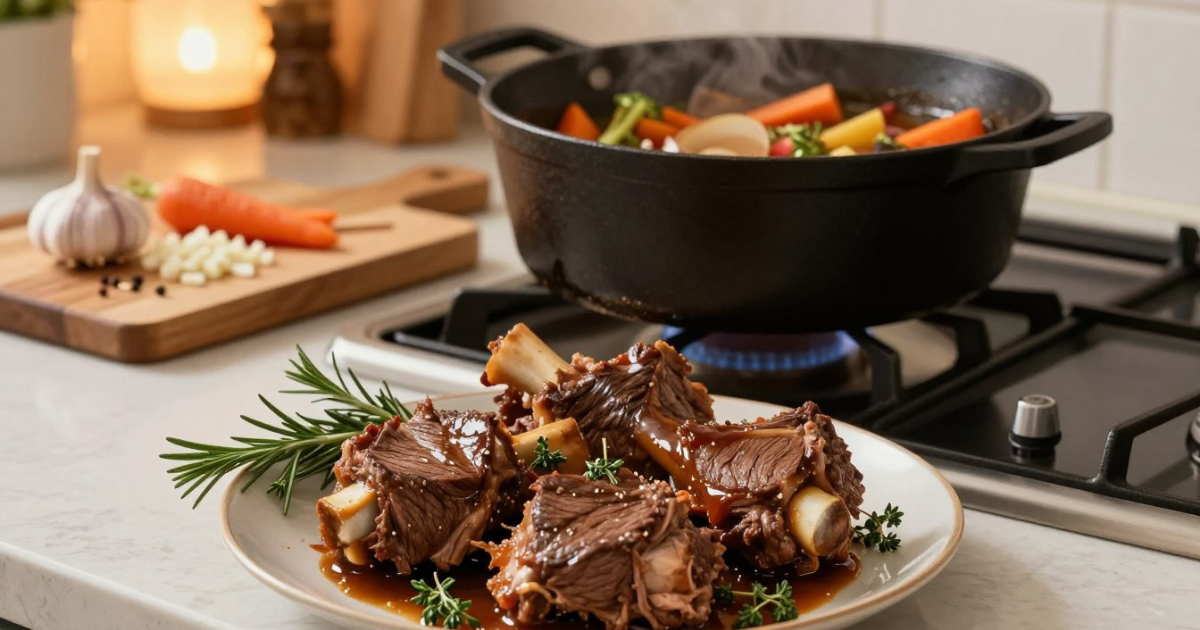
How to cook beef shanks for tender, flavorful results every time.
Table of Contents
Many home cooks find intimidating cuts of meat difficult to master. However, beef shanks offer a deep, rich flavor profile that rewards patience in the kitchen. When you understand the proper techniques, you can transform this tough, connective-tissue-heavy cut into a melt-in-your-mouth delicacy.
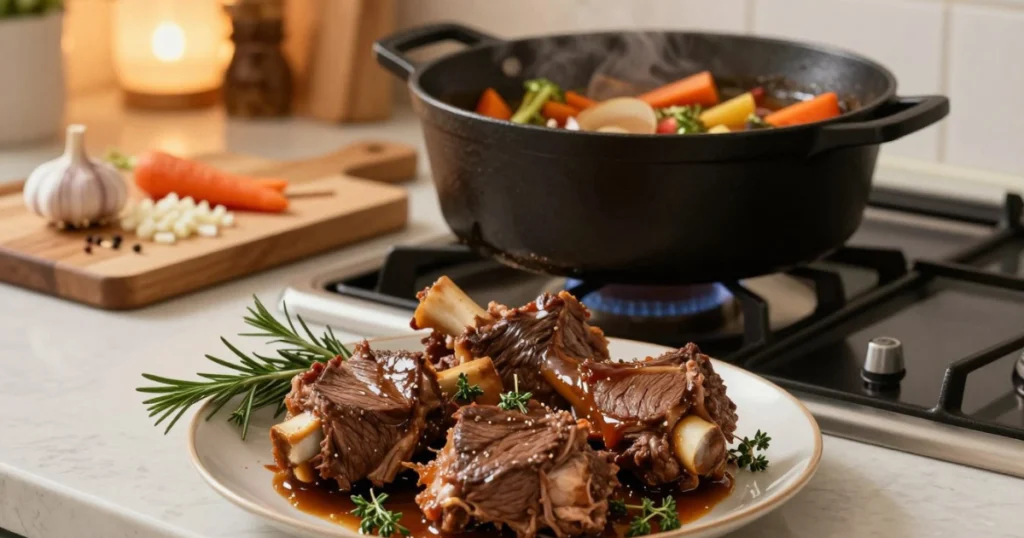
Learning how to cook beef shank effectively requires a slow, moist heat method. This approach breaks down collagen, ensuring the final dish remains succulent and tender. By following our expert guide, you will gain the confidence to prepare restaurant-quality meals right at home.
Key Takeaways
- Slow cooking is essential for breaking down tough muscle fibers.
- Braising in liquid adds moisture and depth to the final flavor.
- Searing the meat first creates a delicious, caramelized crust.
- Patience is the most important ingredient for achieving tenderness.
- Proper seasoning elevates the natural taste of the cut.
Understanding the Anatomy of Beef Shanks
Delving into the anatomy of beef shanks reveals why they are a prized ingredient in many cuisines. Beef shanks are taken from the leg area of the cow, a region that is rich in connective tissue due to the animal’s movement and muscle use.
The presence of bone in beef shanks is a significant factor in their culinary value. As noted by culinary experts, “cuts with bone tend to be more flavorful.” This is because the bone acts as an insulator, helping to distribute heat evenly during cooking and adding depth to the dish.
Why Beef Shank with Bone is a Culinary Gem
Beef shank with bone is particularly cherished for its rich flavor and tender texture when cooked appropriately. The bone itself is surrounded by meat that is dense with connective tissue, which, when braised or slow-cooked, breaks down into gelatin, enriching the sauce and tenderizing the meat.
A key quote from a renowned chef highlights the importance of this cut: “The beauty of beef shank lies in its transformation from a tough, sinewy piece of meat into a tender, fall-off-the-bone delicacy through the right cooking techniques.”
The Role of Connective Tissue and Collagen
Connective tissue and collagen play crucial roles in the cooking process. As collagen breaks down, it converts into gelatin, which not only tenderizes the meat but also enriches the sauce, making it more luxurious and flavorful.
To maximize tenderness, it’s essential to cook beef shanks using a method that allows for the gradual breakdown of these tissues. This is typically achieved through slow cooking or braising, techniques that are discussed in more detail in subsequent sections.
Understanding the role of connective tissue and collagen is key to appreciating why beef shanks are best cooked low and slow. This method ensures that the final dish is not only tender but also packed with flavor.
Essential Preparation and Ingredients for Success
The key to a mouth-watering beef shank dish lies in the preparation and selection of quality ingredients. Proper preparation not only enhances the flavor but also ensures that the beef shanks are tender and enjoyable.
To cook beef shanks to perfection, one must start with the basics: selecting the right cut of meat, understanding the importance of searing, and preparing aromatic foundations.
Selecting the Best Beef Shank Bone Cuts
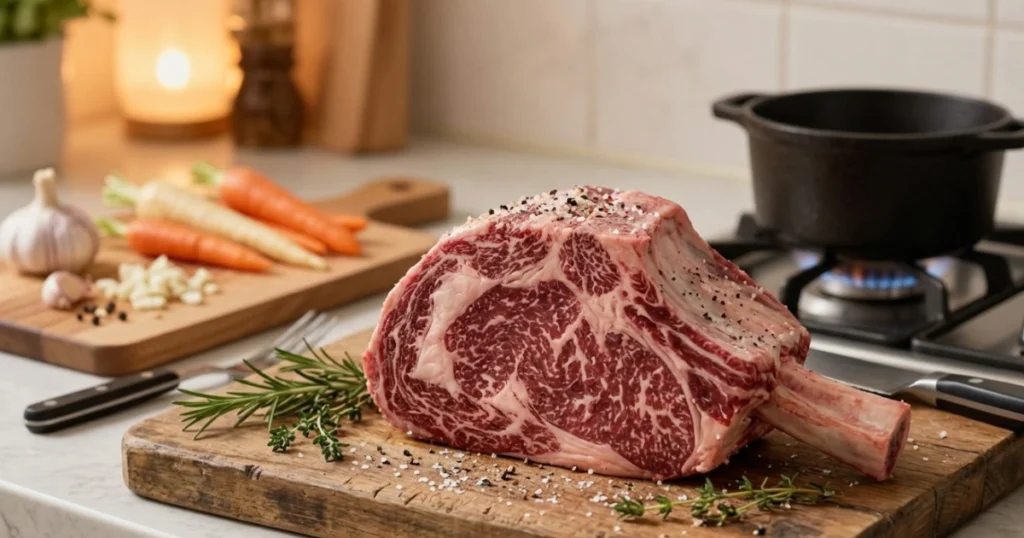
When it comes to beef shank bone cuts, the quality and type can significantly impact the final dish. Look for cuts that are meaty and have a good balance of bone and flesh. The bone acts as a flavor enhancer during the cooking process, while the meat becomes tender with slow cooking.
- A good balance of meat and bone.
- Freshness, indicated by a rich red color.
- Marbling, which contributes to tenderness and flavor.
The Importance of Searing for Flavor Development
Searing the beef shanks is a critical step that should not be skipped. It creates a crust on the meat that locks in juices and enhances the overall flavor of the dish.
- Heat a pan over high heat with just a little oil.
- Brown the shanks on all sides until a rich, golden crust develops.
- Don’t overcrowd the pan; sear in batches if necessary.
Aromatic Foundations: Vegetables and Herbs
The aromatic foundation of a dish is crucial for its overall flavor profile. For beef shanks, typical aromatics include onions, carrots, celery, and a variety of herbs.
- Onions and garlic for depth.
- Carrots and celery for a fresh, earthy flavor.
- Herbs like thyme and rosemary for a savory note.
By focusing on these essential elements, you’ll be well on your way to creating a delicious and memorable beef shank dish.
How to Cook Beef Shanks for Maximum Tenderness
To unlock the full flavor and tenderness of beef shanks, it’s essential to understand the right cooking methods. Beef shanks are a tougher cut of meat, but with the correct technique, they can become tender and delicious.
The Braising Method Explained
Braising is a cooking technique that involves cooking the beef shanks in liquid over low heat for an extended period. This method is ideal for tougher cuts of meat like beef shanks because it breaks down the connective tissue, making the meat tender.
Why Low and Slow is Non-Negotiable
Cooking beef shanks “low and slow” is crucial for tenderizing the meat. This method ensures that the connective tissue is broken down, resulting in a tender and flavorful dish. The low heat prevents the meat from cooking too quickly on the outside before it’s fully tender on the inside.
Managing Liquid Levels During the Cooking Process
Managing the liquid levels during braising is important to ensure that the beef shanks are cooked evenly and that the sauce doesn’t become too thick or too thin. It’s a delicate balance that requires occasional checking and adjustment.
| Liquid Level | Cooking Time | Result |
|---|---|---|
| Too Little | Short | Dry Meat |
| Just Right | Long | Tender Meat |
| Too Much | Long | Meat Falls Apart |
Alternative Cooking Techniques
While braising is a traditional method for cooking beef shanks, there are alternative techniques that can achieve similar results with different convenience and time requirements.
Using a Slow Cooker for Hands-Off Results
A slow cooker is a great way to cook beef shanks with minimal effort. Simply brown the meat, add your ingredients, and let the slow cooker do the work. This method is perfect for busy days when you can’t monitor the cooking process.
Pressure Cooking for Faster Tenderization
Pressure cooking is another alternative that significantly reduces the cooking time. It works by increasing the pressure and temperature inside the cooker, which breaks down the connective tissue much faster than traditional braising. This method is ideal for those who are short on time but still want tender beef shanks.
Mastering the Classic Beef Osso Bucco Recipe
Osso buco, which translates to ‘bone with a hole,’ is a classic Italian braised beef shank dish that is both hearty and flavorful. This traditional recipe is a staple of Italian cuisine, and its rich flavors and tender texture make it a favorite among chefs and home cooks alike.
Traditional Ingredients for Authentic Flavor
The authenticity of beef osso buco lies in its traditional ingredients. Beef shanks are the star of the dish, and they should be cut into thick slices to ensure tender, fall-off-the-bone results. Other essential ingredients include white wine, beef broth, and a mix of aromatic vegetables such as onions, carrots, and celery.
The use of tomato paste adds depth to the sauce, while fresh herbs like thyme and bay leaves provide a fragrant, savory flavor. To complete the dish, a gremolata made with lemon zest, garlic, and parsley is added at the end, providing a bright, citrusy note.
Step-by-Step Execution of the Braise
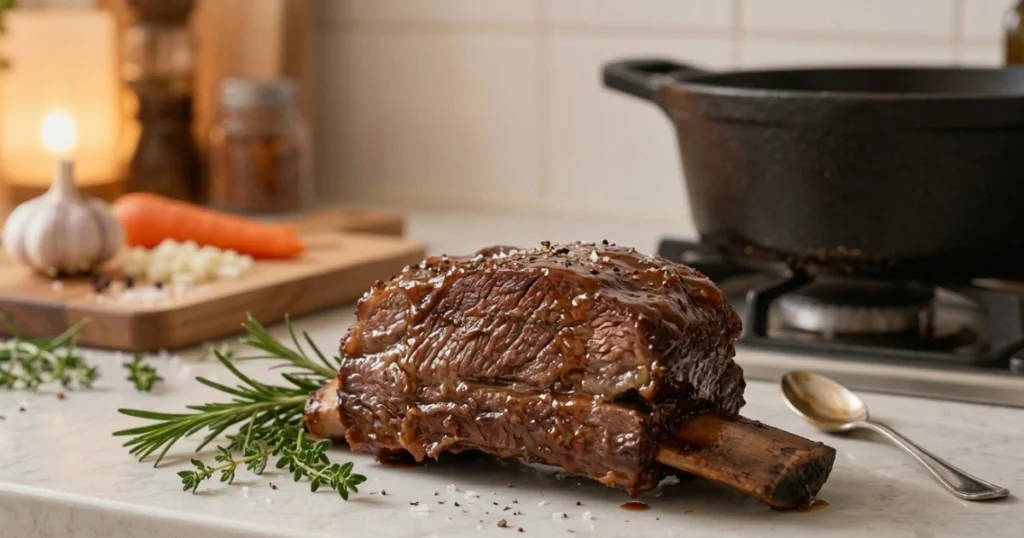
To execute the braise, start by seasoning the beef shanks with salt and pepper. Then, heat a large Dutch oven over medium-high heat and sear the beef shanks until they are browned on all sides. Remove the browned shanks from the pot and set them aside.
Next, add a mix of aromatic vegetables to the pot and cook until they are softened and fragrant. Add white wine to the pot, scraping up any browned bits from the bottom. Bring the wine to a simmer and cook until it has reduced by half.
Add beef broth, tomato paste, and fresh herbs to the pot, stirring to combine. Return the beef shanks to the pot, cover, and transfer to a preheated oven. Braise the shanks for 2-3 hours, or until they are tender and falling off the bone.
Finishing with Gremolata for Brightness
To finish the dish, prepare a gremolata by mixing together lemon zest, garlic, and parsley. Stir the gremolata into the braising liquid and cook for an additional 10-15 minutes, or until the flavors have melded together.
Serve the beef osso buco hot, garnished with additional gremolata and accompanied by risotto alla milanese or polenta. The bright, citrusy flavor of the gremolata provides a perfect contrast to the rich, savory flavors of the braised beef shanks.
Troubleshooting Common Cooking Issues
Cooking beef shanks can be a rewarding experience, but it’s not without its challenges. Even with careful preparation and attention to detail, issues can arise that affect the final outcome of your dish.
Why Your Meat Might Still Be Tough
One of the most common issues when cooking beef shanks is the meat remaining tough. This can be due to several factors, including insufficient cooking time or incorrect cooking techniques. As Chef Thomas Keller once said, “The key to tender meat is low and slow cooking.” Ensuring that your beef shanks are cooked for an adequate amount of time at a low temperature is crucial for tender results.
Another factor could be the quality of the meat. Choosing the right cut and ensuring it has a good amount of marbling can make a significant difference. It’s also important to not overcook the meat, as this can cause it to become tough again.
Adjusting Sauce Consistency and Flavor Balance
The sauce is a critical component of many beef shank dishes, such as the classic Osso Buco. Achieving the right consistency and flavor balance can be tricky. If your sauce is too thin, you can reduce it by simmering it for a longer period. Conversely, if it’s too thick, a small amount of broth or wine can be added to adjust the consistency.
To enhance the flavor, consider adding aromatics like onions, carrots, and celery, or herbs such as thyme and bay leaves during the cooking process. As the renowned cookbook author, Julia Child, once emphasized, “The best way to get a good sauce is to start with a good stock.” Ensuring your stock is rich and flavorful will significantly improve your final dish.
Proper Storage and Reheating Tips
Beef shanks can be cooked ahead of time and refrigerated or frozen for later use. When storing, ensure the meat is covered tightly to prevent drying out. Refrigerate at a temperature below 40°F (4°C), and consume within 3 to 4 days.
To reheat, gently warm the beef shanks in the sauce over low heat, ensuring the meat is heated through. This method helps maintain the tenderness and flavor of the meat. As a general rule, it’s best to reheat cooked beef shanks slowly to prevent the meat from becoming tough or the sauce from breaking.
Conclusion
Cooking beef shanks can be a rewarding experience, yielding tender and flavorful results with the right techniques. By understanding the anatomy of beef shanks and the importance of connective tissue, you can unlock the full potential of this culinary gem.
The braising method, along with proper preparation and ingredient selection, plays a crucial role in achieving fall-off-the-bone tenderness. Whether you’re making a classic Osso Buco or experimenting with new recipes, the key is to cook the beef shanks low and slow, allowing the collagen to break down and infuse the dish with rich flavor.
With these techniques and tips in mind, you’re ready to start cooking and exploring the world of beef shanks. Don’t be afraid to experiment with different ingredients and recipes to find your new favorite dish.
FAQ
What is a beef shank with bone, and why is it preferred for slow cooking?
A beef shank with bone is a cross-cut section of the steer’s leg. It is highly prized for slow cooking because it contains a high concentration of collagen and connective tissue. When cooked over low heat for an extended period, the collagen transforms into gelatin, and the marrow within the beef shank bone melts into the braising liquid, creating a rich, silky sauce that is packed with nutrients and flavor.
What is the most important step in how to cook beef shank for maximum flavor?
The most critical step is searing the meat before adding any liquid. By browning the exterior of the beef shank in a heavy pan, such as a Lodge Cast Iron skillet, you trigger the Maillard reaction. This chemical process creates a complex, savory crust that provides the foundation for the dish’s flavor profile. Skipping this step often results in meat that tastes boiled rather than braised.
How long does a traditional beef osso bucco recipe take to cook?
A classic beef osso bucco recipe typically requires low and slow braising for about 3 to 4 hours in a standard oven set to 325°F. The goal is to reach a stage where the meat is fork-tender and begins to pull away from the bone effortlessly. If you are using a Dutch Oven from a brand like Le Creuset, the heat distribution will be more even, ensuring the meat doesn’t dry out during the long process.
Can I use a pressure cooker to speed up the process of how to cook beef shank?
Yes, using a pressure cooker like an Instant Pot is an excellent alternative for those short on time. While traditional braising takes several hours, a pressure cooker can break down the tough connective tissues in about 45 to 60 minutes. This method forces moisture into the fibers quickly, though many enthusiasts still prefer the depth of flavor achieved through the traditional oven method.
Why is my beef shank still tough after the recommended cooking time?
If the meat is still tough, it usually means the collagen has not yet fully broken down. This can happen if the cooking temperature was too high—causing the muscle fibers to seize—or if the meat simply needs more time. Continue to simmer the beef shank at a very low heat; tenderness is a result of time and moisture, so patience is key.
What is the purpose of adding Gremolata to a beef osso bucco recipe?
Gremolata is a traditional Italian condiment made from lemon zest, garlic, and fresh parsley. It is added to the beef osso bucco recipe just before serving to provide a bright, acidic contrast to the heavy, rich flavors of the braised meat. This burst of freshness cuts through the fat of the marrow and the density of the sauce, balancing the overall dish.
What is the best way to store and reheat leftover beef shanks?
Braised beef shanks actually taste better the next day as the flavors continue to develop. Store them in an airtight container with plenty of the braising liquid to prevent the meat from drying out. When reheating, do so gently on the stovetop over low heat or in a 300°F oven. Avoid using a microwave, as it can turn the gelatinous texture of the meat rubbery.