
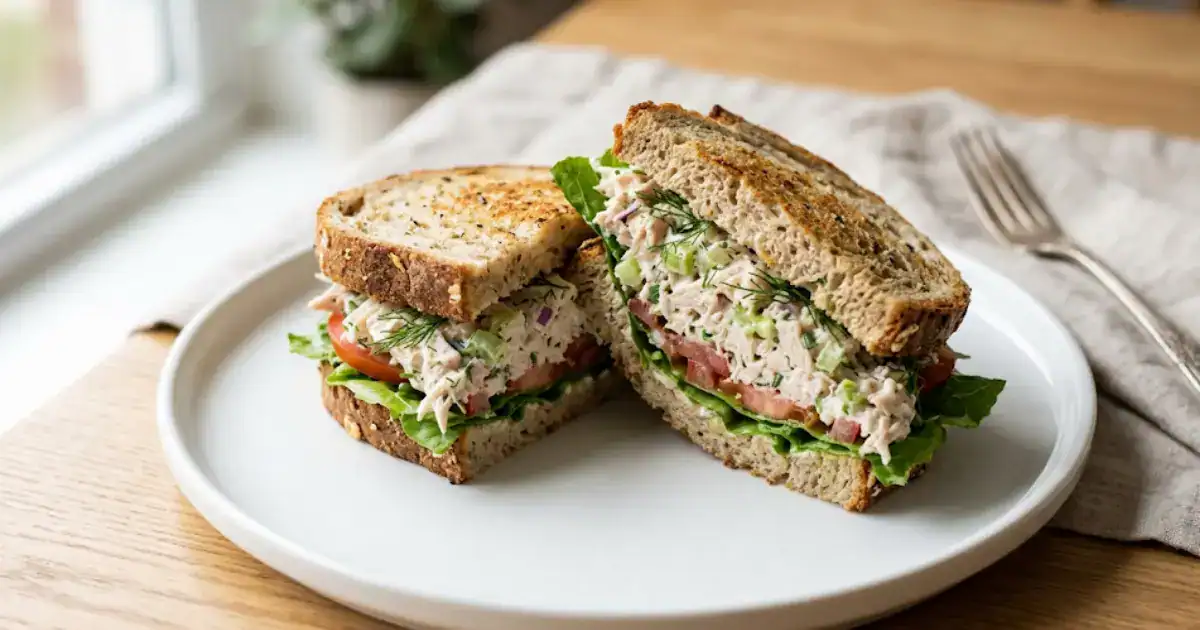
Simple turkey salad sandwich recipe anyone can make
Table of Contents
Welcome to the world of effortless meal preparation. You do not need professional culinary skills to assemble ahigh-quality lunch that satisfies your hunger. By using leftover poultry, you can transform basic ingredients into a gourmet experience right in your own kitchen.
This guide helps you master a versatile dish perfect for busy weekdays or relaxed weekend afternoons. Whether you are a novice in the kitchen or a seasoned home cook, this simple approach ensures a delicious result every time.
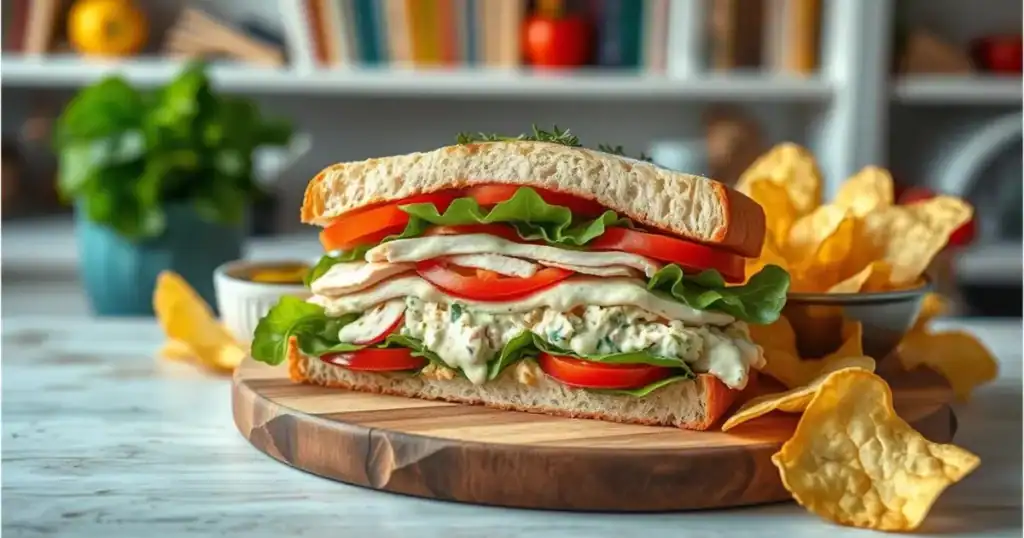
Follow these steps to elevate your midday meal. You will discover how easy it is to create a flavorful turkey salad sandwich recipe that keeps you coming back for more.
Key Takeaways
- Utilize leftover poultry to reduce food waste and save time.
- Focus on fresh ingredients to enhance the overall flavor profile.
- Mastering this dish requires minimal equipment and basic pantry staples.
- Customize your meal with various herbs, spices, or crunchy vegetables.
- Perfect for quick lunches when you are short on time.
Why a turkey salad sandwich recipe is the ultimate leftover solution
Discover why a turkey salad sandwich is the ultimate solution for your post-holiday meal planning. When you have a large bird sitting in your refrigerator, it is easy to feel overwhelmed by the sheer volume of meat. Utilizing turkey leftover recipes allows you to transform that cold roast into a fresh, vibrant meal that feels brand new.
This approach is not just about convenience; it is a highly effective way to minimize food waste in your home. Instead of letting perfectly good protein go to waste, you can repurpose it into a quick lunch or dinner. This strategy is also incredibly cost-effective, helping you stretch your grocery budget further throughout the busy work week.
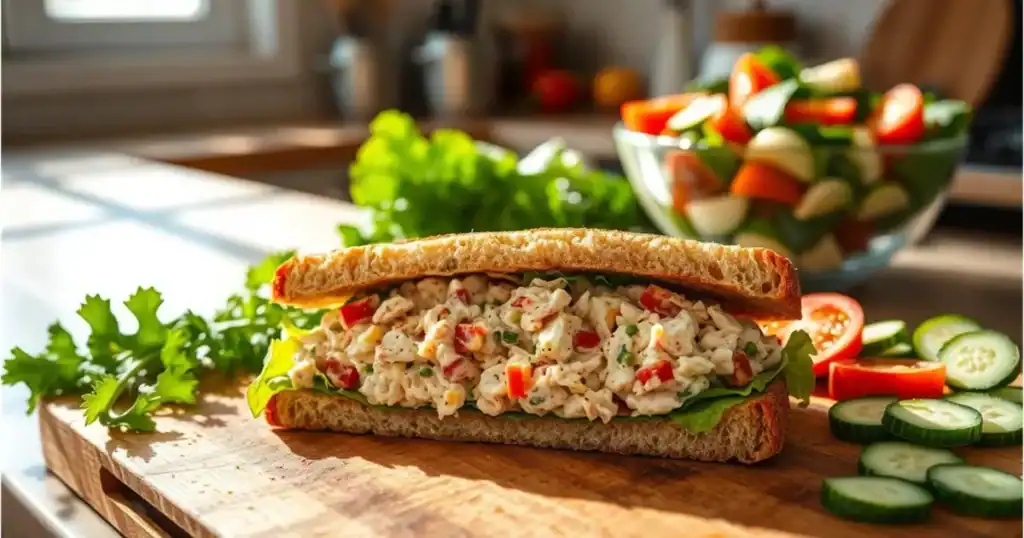
Having a pre-cooked protein source ready to go saves you significant time in the kitchen. You can assemble a delicious sandwich in minutes, making it the perfect choice for those hectic days when you lack the energy to cook from scratch. Once you realize how versatile these turkey leftover recipes can be, you will never look at a cold roast the same way again.
| Benefit Category | Traditional Roast | Turkey Salad Sandwich |
| Preparation Time | Hours of cooking | Under 10 minutes |
| Food Waste | High risk of spoilage | Near zero waste |
| Cost Efficiency | Expensive per meal | Budget-friendly reuse |
| Versatility | Limited serving style | Highly customizable |
Essential ingredients for your turkey salad
Building a perfect turkey salad requires a balance of textures and fresh flavors. When you start with high-quality components, you ensure that every bite is packed with depth and satisfaction. Focusing on the right base elements is the first step toward creating a truly memorable meal.
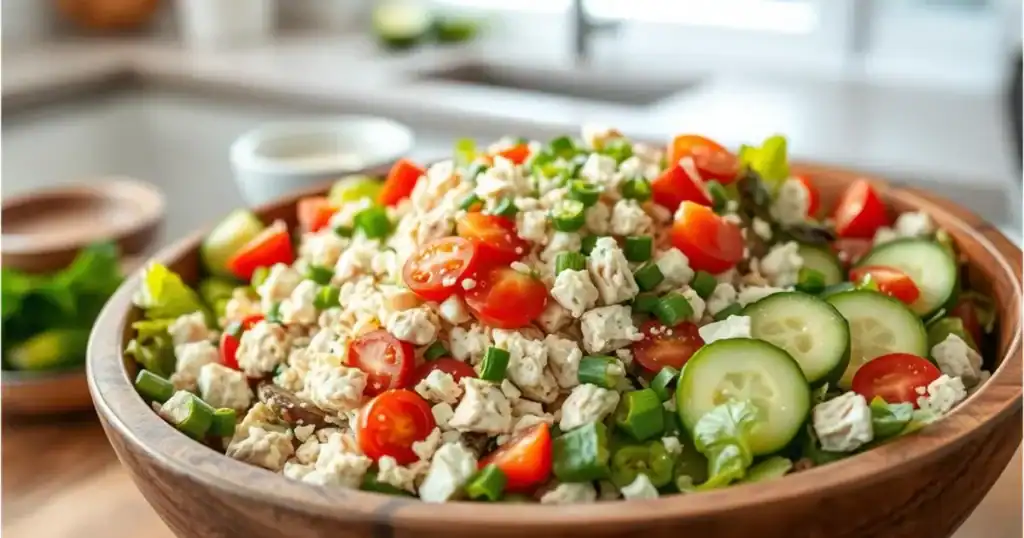
Selecting the best turkey cuts
The foundation of your dish is the meat itself. You should decide between using moist breast meat or flavorful dark meat depending on your preference for richness. Breast meat provides a clean, lean profile, while dark meat adds a savory depth that many home cooks prefer.
For the best results, ensure your turkey is shredded into bite-sized pieces. This allows the dressing to coat every fiber evenly, creating a consistent turkey salad experience.
Choosing the right mayonnaise and binders
Your choice of binder acts as the glue that holds your ingredients together. While traditional mayonnaise offers a classic, creamy richness, you might consider alternatives for a lighter touch. Greek yogurt is an excellent substitute that adds a subtle tang and extra protein to your mixture.
Mixing these binders correctly ensures your salad remains creamy without becoming overly heavy. You can even experiment with a blend of both to find your ideal balance of flavor and texture.
Adding crunch and texture with fresh produce
A great turkey salad needs a satisfying contrast to the creamy base. Incorporating fresh vegetables like celery, red onion, or crisp apples provides a necessary crunch. These additions not only improve the mouthfeel but also brighten the overall flavor profile of your sandwich filling.
| Ingredient Type | Best Choice | Texture Impact |
| Binder | Mayonnaise | Rich and Creamy |
| Binder | Greek Yogurt | Tangy and Light |
| Crunch | Celery | Refreshing Snap |
| Crunch | Red Onion | Sharp and Crisp |
By carefully selecting these elements, you elevate your turkey salad from a simple leftover dish to a gourmet lunch. Always prioritize freshness to ensure your final sandwich is as vibrant as it is delicious.
Step-by-step guide to preparing your turkey salad sandwich recipe
Mastering the assembly of your turkey salad sandwich recipe is easier than you might think. By focusing on the texture of your meat and the quality of your binders, you can create a restaurant-quality meal at home. Follow these professional techniques to ensure every bite is packed with flavor.
Preparing and shredding your leftover turkey
The secret to a great salad lies in how you process the meat. Instead of chopping the turkey into uniform cubes, try shredding it by hand or using two forks. This creates irregular edges that hold onto your dressing much better than smooth, cut pieces.
Ensure you remove any skin or gristle before you begin the shredding process. This step guarantees a consistent, pleasant mouthfeel in your final turkey salad sandwich recipe. You want the meat to be tender enough to melt in your mouth.
| Method | Texture Result | Best Use |
| Hand Shredding | Rustic and chunky | Hearty sandwiches |
| Fork Shredding | Uniform and fine | Creamy spreads |
| Knife Dicing | Clean and square | Classic deli style |
Mixing the base ingredients for maximum flavor
Once your turkey is ready, it is time to introduce your binders. Start with a high-quality mayonnaise or Greek yogurt base to provide the necessary moisture. Gently fold the ingredients together rather than stirring vigorously to maintain the integrity of the shredded meat.
Adding your binders slowly allows you to control the consistency of the mixture. You want the salad to be creamy but not runny. This balance is essential for a successful turkey salad sandwich recipe that stays put on your bread.
Balancing seasonings and herbs
Seasoning is where you truly customize your meal. Start with a pinch of salt and cracked black pepper, then incorporate fresh herbs like dill, parsley, or chives. These additions provide a bright contrast to the savory turkey.
After mixing, let your salad rest in the refrigerator for at least thirty minutes. This waiting period allows the flavors to meld and the herbs to infuse the meat. A short rest transforms a simple mixture into a cohesive, delicious dish.
Creative variations to elevate your sandwich
You can easily break the monotony of standard lunches by experimenting with bold, new flavor profiles. While many turkey salad recipes rely on traditional ingredients, adding a personal touch transforms a simple meal into a gourmet experience. Customization is the secret to keeping your palate excited every time you sit down to eat.
Adding a sweet twist with dried fruits
Introducing sweetness provides a delightful contrast to the savory nature of roasted poultry. You might try folding in dried cranberries, chopped apricots, or even thinly sliced crisp apples to your mixture.
“Cooking is like painting or writing a song. Just as there are limited notes in music or colors on a palette, there are only so many flavors—it’s the way you blend them that makes you unique..”
Wolfgang Puck
These sweet additions work wonders when balanced with a creamy dressing. They add a refreshing pop of flavor that makes your lunch feel entirely new.
Incorporating savory elements like bacon or nuts
If you prefer a more robust profile, consider adding salty or crunchy components. Crispy bacon bits or toasted pecans provide amulti-dimensional texture that elevates the entire dish.
- Toasted walnuts or almonds for an earthy crunch.
- Crumbled bacon for a smoky, salty finish.
- Sunflower seeds for a subtle, nutty bite.
These ingredients ensure that your sandwich remains satisfying and hearty. When you master these combinations, you will find that your favorite turkey salad recipes become even more versatile.
Spicing it up with peppers and hot sauces
For those who enjoy a bit of heat, incorporating peppers or spicy condiments is a game changer. You can dice fresh jalapeños or add a dash of your favorite hot sauce to the dressing base.
This simple adjustment adds a vibrant kick that cuts through the richness of the mayonnaise. Experimenting with these bold variations allows you to refine your own signature style of turkey salad recipes.
Selecting the perfect bread and greens
Elevating your easy leftover turkey recipes starts with choosing the right bread and fresh greens. A solid foundation ensures your meal remains easy to eat without falling apart during your lunch break. By focusing on these structural choices, you prevent your sandwich from becoming a messy experience.
Best bread types for structural integrity
The secret to a sturdy sandwich lies in the density of the crumb. Hearty sourdough is an excellent choice because its chewy texture holds heavy fillings without soaking up too much moisture. If you prefer something softer, a toasted ciabatta or a sturdy whole-grain loaf provides enough resistance to keep your ingredients contained.
Avoid overly soft white breads that may disintegrate under the weight of a creamy salad. Instead, look for options that offer a slight crust, which acts as a protective barrier. The following table helps you decide which base works best for your specific needs.
| Bread Type | Texture | Best For |
| Sourdough | Chewy and firm | Heavy, moist fillings |
| Ciabatta | Crusty and airy | Adding a rustic crunch |
| Whole Grain | Dense and nutty | Nutritional balance |
| Brioche | Soft and buttery | Light, delicate salads |
Choosing crisp lettuce and fresh sprouts
Once you have selected your bread, it is time to add a clean, crisp finish. Butter lettuce is a fantastic option because its leaves are tender yet hold their shape well. If you want a more pronounced crunch, iceberg or romaine lettuce provides a refreshing snap in every bite.
For an extra layer of flavor and texture, consider adding fresh alfalfa or radish sprouts. These greens add a delicate, earthy note that complements the savory nature of turkey. Incorporating these fresh elements is a simple way to improve your easy leftover turkey recipes while adding vital nutrients to your plate.
Pro tips for storing and serving
Mastering the art of storage ensures that your lunch remains as delicious as the first bite. When you prepare a large batch of turkey salad, you want to maintain the perfect balance of flavors and textures for as long as possible.
How to keep your salad fresh in the refrigerator
To preserve the quality of your turkey salad, always store it in an airtight container. This simple step prevents the ingredients from absorbing other odors in your fridge and keeps the moisture levels consistent.
For the best results, consume your mixture within three days of preparation. Keeping the container tightly sealed is essential for maintaining freshness and ensuring that your ingredients stay crisp and flavorful.
Preventing soggy bread when packing for lunch
Nobody enjoys a sandwich with soft, unappealing bread. The most effective way to avoid this is to keep your turkey salad separate from the bread until you are ready to eat your meal.
Pack your salad in a small, leak-proof container and keep your bread or rolls in a separate bag. By assembling your sandwich right before lunch, you guarantee that the bread remains perfectly fresh and maintains its structural integrity.
Common mistakes to avoid when making turkey salad
Even the best turkey leftover recipes can fall flat if you ignore basic kitchen techniques. While the process seems straightforward, small errors in preparation often lead to disappointing results. By paying close attention to your ratios and ingredient quality, you can ensure a delicious outcome every time.
Avoiding an overly watery consistency
One of the most frequent complaints is a salad that turns into a soupy mess. This usually happens when you add fresh vegetables like celery or cucumbers without properly drying them first. Always pat your chopped produce with a paper towel to remove excess moisture before mixing.
Another culprit is using too much mayonnaise or dressing. Start with a small amount and fold it in gradually until you reach your desired coating. If you find the mixture is still too thin, try adding a bit more shredded turkey or a handful of toasted nuts to absorb the extra liquid.
Balancing salt and acidity levels
A bland salad often lacks the right balance of seasoning and brightness. If your mixture tastes heavy or dull, you likely need a touch of acidity to wake up the flavors. A squeeze of fresh lemon juice or a teaspoon of apple cider vinegar can make a significant difference in the final taste.
Be careful not to over-salt your base, especially if your leftover turkey was already seasoned during the initial roast. Taste your salad as you go and adjust the salt levels only at the very end. This methodical approach helps you maintain a professional standard in your home cooking.
| Common Issue | Primary Cause | Quick Fix |
| Watery Texture | Wet vegetables | Drain and pat dry |
| Bland Flavor | Lack of acid | Add lemon juice |
| Too Much Dressing | Heavy-handed pouring | Add more solids |
| Salty Overload | Pre-seasoned meat | Add unsalted nuts |
Conclusion
Transforming your kitchen scraps into a gourmet meal is a rewarding skill. You now possess the knowledge to turn simple ingredients into a satisfying lunch. These turkey salad recipes provide a reliable foundation for your culinary creativity.
You can experiment with different textures and flavors to build your own signature dish. Try adding fresh herbs or crunchy nuts to customize your experience. These easy leftover turkey recipes ensure that no food goes to waste in your home.
Keep your pantry stocked with quality mayonnaise and fresh bread to stay prepared. You will find that making a quick meal becomes second nature with these techniques. Share your favorite combinations with friends or family during your next gathering.
Your journey toward becoming a sandwich expert starts with these basic steps. Continue to explore new ingredients to keep your menu exciting. Enjoy the process of crafting a delicious meal every time you step into the kitchen.
FAQ
Why are turkey leftover recipes considered the ultimate solution for holiday bird remains?
Utilizing easy leftover turkey recipes is a cost-effective and delicious way to minimize food waste after a large meal. By repurposing your roasted bird into a sandwich, you save significant time on meal prep while creating a fresh lunch option that feels entirely different from your original dinner. It allows you to enjoy a high-quality, protein-rich meal with very little additional effort.
Which cuts of meat should I use for the best turkey salad recipes?
For the most balanced texture, you should use a combination of both breast meat and darker cuts. While the white meat provides a lean, clean base, the darker meat adds moisture and a richer flavor profile. Ensure you shred or dice your turkey into uniform pieces so that every bite of your turkey salad evenly absorbs the dressings and seasonings.
What are the best binders to use to ensure my turkey salad is creamy?
While a high-quality mayonnaise like Hellmann’s or Duke’s is the traditional choice for a rich consistency, you can experiment with healthier alternatives. Substituting a portion of the mayo with Fage Greek yogurt or even a bit of mashed avocado can add a tangy brightness while keeping the mixture moist. These binders are essential for holding your ingredients together and providing that classic sandwich texture.
How can I add more flavor and crunch to my easy leftover turkey recipes?
You can elevate a simple turkey salad by incorporating fresh produce like diced celery, red onions, or Honeycrisp apples. For those who enjoy a “sweet and savory” profile, adding Ocean Spray dried cranberries or chopped grapes is a popular choice. If you prefer a salty crunch, toasted pecans or sliced almonds provide a wonderful contrast to the creamy turkey mixture.
What type of bread is best for a turkey salad sandwich recipe?
Because this salad can be heavy, you need a bread with excellent structural integrity. A hearty sourdough or a thick-cut multigrain bread works perfectly to hold the filling without tearing. If you prefer something softer, a toasted brioche bun or a buttery croissant adds a gourmet touch to your lunch.
How do I prevent my sandwich from becoming soggy if I pack it for work?
To maintain the perfect texture, you should place a “moisture barrier” of fresh greens—such as crisp Romaine lettuce or spinach—between the bread and the salad mixture. For even better results, keep your turkey salad in a separate chilled container and assemble your sandwich right before you are ready to eat.
How long do turkey salad recipes stay fresh in the refrigerator?
When stored in an airtight container like Pyrex or Tupperware, your salad will remain fresh and safe to eat for up to three days. Always make sure your leftover poultry was refrigerated promptly after its initial cooking to ensure the best flavor and food safety.
What is a common mistake to avoid when mixing my turkey salad?
One frequent error is over-dressing the salad, which leads to a watery consistency. Start with a small amount of binder and add more gradually until you reach your desired creaminess. Additionally, always taste for balance; if the salad feels too heavy, a splash of fresh lemon juice or a teaspoon of Grey Poupon Dijon mustard can add the necessary acidity to brighten the flavor.