
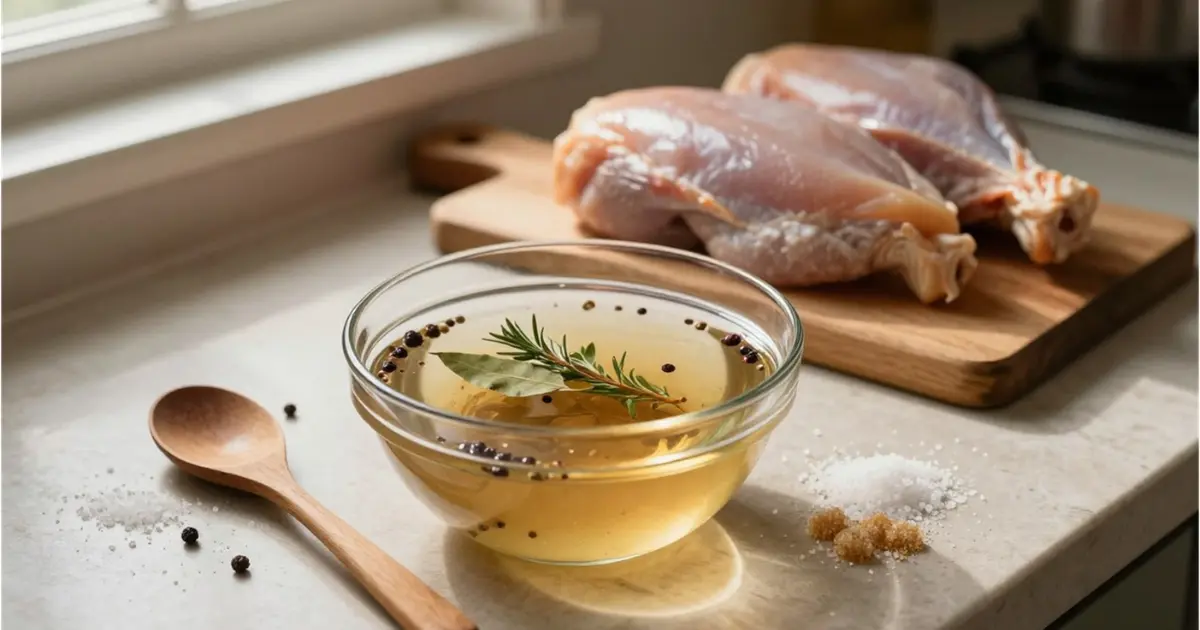
Best Simple brine for turkey anyone can make
Table of Contents
Preparing a holiday feast often feels overwhelming, especially when you want the main dish to be perfect. You might worry about serving dry meat to your guests, but achieving a succulent result is easier than you think. Using a simple brine for turkey is the secret weapon that guarantees moisture and deep flavor in every bite.
This method works by soaking the bird in a seasoned liquid, which helps the muscle fibers retain water during the roasting process. You do not need professional culinary training to master this technique. By following these basic steps, you can confidently prepare a delicious centerpiece that will impress your family and friends at your next gathering.
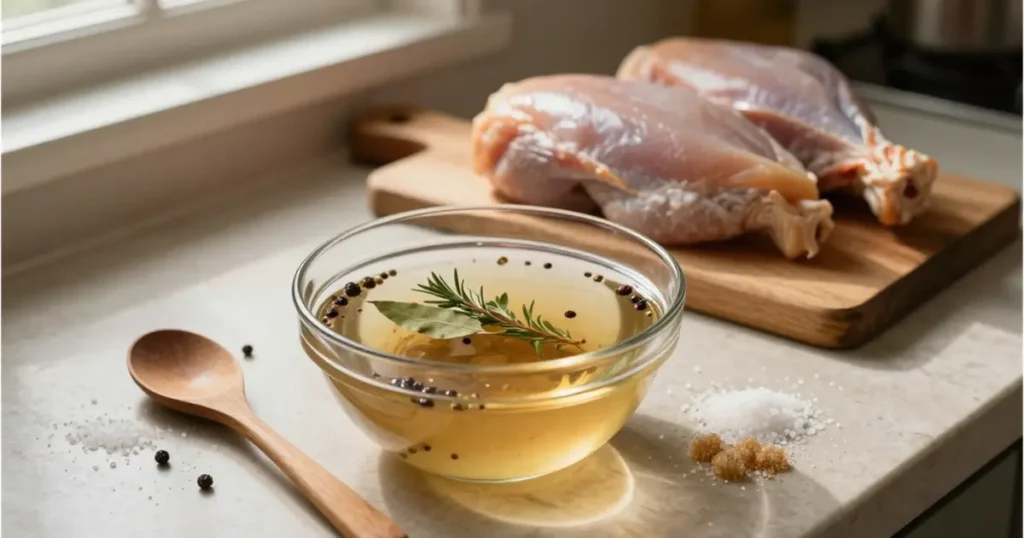
Consistency is key when you want to elevate your cooking game. This approach demystifies the preparation, allowing you to focus on enjoying the holiday rather than stressing over the oven. Let’s explore how you can transform your holiday meal with this accessible culinary hack.
Key Takeaways -simple brine for turkey
- Brining helps the meat retain essential moisture during the cooking process.
- This technique is accessible to home cooks regardless of their experience level.
- You only need basic pantry staples to create a flavorful soaking liquid.
- Proper preparation ensures a succulent and tender result every time.
- Using this method reduces the risk of serving dry or overcooked meat.
Understanding the science behind a simple brine for turkey
Mastering a simple brine for turkey requires only a basic grasp of how salt interacts with muscle fibers. When you submerge your bird in a saline solution, you initiate a series of chemical changes that protect the meat from the harsh environment of a hot oven.
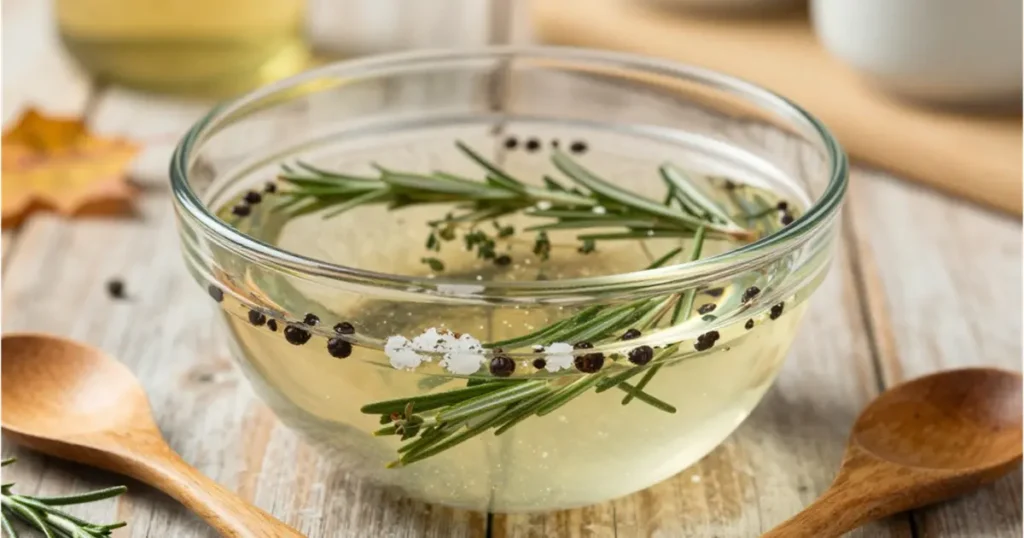
Why brining transforms your holiday bird
The primary benefit of this technique is protein denaturation. Salt ions penetrate the muscle tissue, causing the tightly coiled proteins to unwind and loosen their structure. This process creates a more open network that can trap and hold onto liquid throughout the cooking process.
Without this preparation, the proteins in the breast meat contract tightly as they heat up, squeezing out all the natural juices. By using a simple brine for turkey, you effectively prevent this contraction. The result is a bird that remains succulent and tender even if it stays in the oven a few minutes too long.
The role of osmosis in moisture retention
Osmosis is the natural movement of water across a semi-permeable membrane from an area of low solute concentration to high concentration. In your kitchen, the salt solution outside the turkey creates a higher concentration than the fluids inside the meat. This forces the salt to move into the muscle cells, which then pulls water along with it.
This scientific process ensures that the meat is seasoned from the inside out rather than just on the surface. The following table highlights the key differences between treated and untreated poultry during the roasting process.
| Feature | Unbrined Turkey | Brined Turkey |
| Moisture Level | Often dry and fibrous | Consistently juicy |
| Flavor Profile | Surface seasoning only | Deep, internal seasoning |
| Texture | Tough breast meat | Tender and soft |
| Cooking Tolerance | Low margin for error | High margin for error |
Essential ingredients for your turkey brine
The secret to a juicy bird lies in the specific ingredients you choose for your turkey brine. By selecting high-quality components, you ensure that the flavor profile penetrates deep into the meat during the soaking process. This preparation step is your best opportunity to infuse the bird with moisture and savory notes.
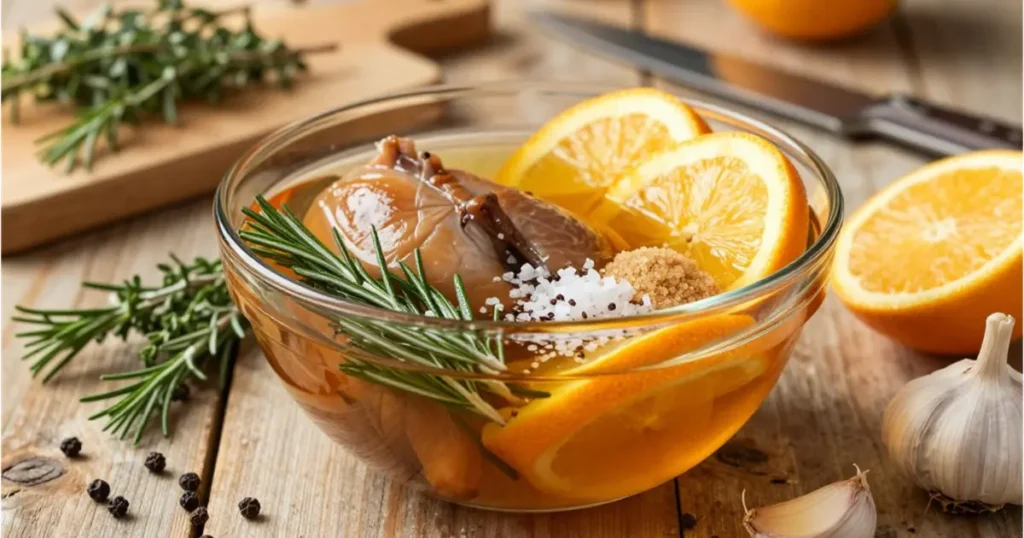
Selecting the right salt for the job
Salt is the most critical component of any turkey brine. You should prioritize using Kosher salt over standard table salt for the best results. Kosher salt features larger, coarser crystals that dissolve evenly without the metallic aftertaste often found in iodized table salt.
Because table salt is denser, it can easily lead to an overly salty bird if measured by volume. Always check your packaging to ensure you are using the correct variety to maintain the perfect balance of salinity.
Balancing aromatics and sweeteners
Once your salt base is established, you can introduce sweeteners and aromatics to create a complex flavor profile. Brown sugar, honey, or maple syrup help balance the saltiness while promoting a beautiful, caramelized skin during roasting. These sugars also aid in the browning process, giving your bird a professional appearance.
“The magic of a great brine is not just in the salt, but in the subtle layers of aromatics that transform a simple roast into a holiday masterpiece.”
Herbs that pair perfectly with poultry
Fresh herbs are essential for adding an earthy depth to your turkey brine. Woody herbs like rosemary and thyme are particularly effective because they hold up well during the long soaking period. You can also add sage or bay leaves to provide a classic, savory aroma that defines traditional holiday cooking.
Adding depth with citrus and spices
Citrus peels and whole spices provide the final touch to your liquid mixture. Orange or lemon zest adds a bright, acidic note that cuts through the richness of the poultry. Whole peppercorns, cloves, and star anise offer a warm, spicy undertone that lingers on the palate.
| Ingredient Category | Common Examples | Primary Function |
| Salts | Kosher Salt, Sea Salt | Moisture retention |
| Sweeteners | Brown Sugar, Honey | Flavor balance & browning |
| Aromatics | Rosemary, Thyme, Garlic | Flavor infusion |
| Spices | Peppercorns, Allspice | Depth and complexity |
Step by step guide to preparing and applying your brine
Mastering the art of the turkey brine is a simple yet transformative step in your holiday cooking routine. By following a structured approach, you ensure that every slice of meat remains succulent and flavorful. Proper preparation prevents common mistakes and guarantees a stress-free experience in the kitchen.
Mixing the solution for maximum flavor
To begin, dissolve your salt and sugar in a small portion of hot water or broth. This creates a concentrated base that ensures all crystals are fully incorporated before you add the remaining cold liquid. Always chill the entire mixture completely before introducing the raw poultry to the liquid.
How long should you brine a turkey for the best results
Determining how long should you brine a turkey depends largely on the size of the bird. If you leave the meat in the solution for too long, the texture can become unpleasantly mushy. Conversely, a short soak will not provide the deep seasoning you desire.
“The secret to a perfect bird lies in the patience of the process; never rush the soak, but respect the limits of the salt.”
Use the following guide to help you decide the ideal duration for your specific turkey weight:
| Turkey Weight | Brining Time | Recommended Salt |
| 10-12 lbs | 8-10 hours | 1/2 cup |
| 12-16 lbs | 12-14 hours | 3/4 cup |
| 16-20 lbs | 16-18 hours | 1 cup |
Safe handling and temperature control during the brining process
Food safety is the most critical aspect of the entire procedure. You must keep the liquid and the bird at a consistent temperature below 40 degrees Fahrenheit at all times. This prevents the growth of harmful bacteria during the extended soaking period.
Choosing the right container for your turkey
Select a non-reactive container such as a food-grade plastic bucket, a large stainless steel pot, or a heavy-duty brining bag. Avoid aluminum or copper, as these metals can react with the salt and impart a metallic taste to your turkey brine. Ensure the vessel is large enough to keep the bird fully submerged.
Maintaining refrigerator safety
Clear enough space in your refrigerator to accommodate the container securely. If your fridge is too full, consider using a clean cooler filled with ice packs to maintain the necessary temperature. When asking how long should you brine a turkey, remember that the clock starts the moment the bird enters the cold liquid.
Cooking a brined turkey to perfection
Once the brining process concludes, your focus must shift toward achieving the perfect roast. Cooking a brined turkey requires a slightly different approach than a standard bird to ensure the best results. By following a few specific steps, you can guarantee that your holiday centerpiece is both juicy and beautifully browned.
Preparing the bird for the oven after brining
Remove your turkey from the brine and discard the liquid immediately. It is essential to rinse the bird thoroughly under cold water to remove excess salt from the surface. After rinsing, pat the skin completely dry using paper towels.
Moisture on the skin acts as a barrier to browning. If the skin remains damp, it will steam rather than roast, preventing that deep golden color you desire. Ensure you dry the cavity as well to promote even heat distribution.
Adjusting your expectations for brined turkey cook time
You should be aware that the brined turkey cook time is often shorter than that of an unbrined bird. The added moisture within the muscle fibers allows heat to conduct more efficiently throughout the meat. Check the internal temperature early to avoid overcooking your hard work.
Use a reliable meat thermometer inserted into the thickest part of the thigh. Aim for an internal temperature of 165°F. Because the bird cooks faster, start monitoring your progress about 30 minutes before the estimated finish time.
Tips for achieving crispy skin on a moist bird
To achieve that coveted crispy skin, consider leaving the bird uncovered in the refrigerator for a few hours before roasting. This process, known as air-drying, further dehydrates the skin. You can also brush the skin lightly with melted butter or oil to encourage a rich, mahogany finish.
Managing your oven temperature is another key factor. Start at a higher temperature for the first 20 minutes to sear the skin, then lower it to finish the cooking process. This technique balances a crispy exterior with a tender, succulent interior.
| Feature | Brined Turkey | Unbrined Turkey |
| Moisture Level | High | Moderate |
| Cooking Speed | Faster | Standard |
| Skin Texture | Requires Drying | Naturally Drier |
| Flavor Profile | Seasoned Deeply | Surface Seasoned |
Conclusion :
Transforming your holiday meal starts with a simple commitment to quality preparation. You now possess the knowledge to elevate a standard bird into a succulent centerpiece that delights every guest at your table.
Reliable results come from consistent practice with these proven techniques. Using high-quality salt and fresh aromatics creates a depth of flavor that store-bought options cannot match. Your confidence in the kitchen grows with every successful roast you serve.
Take these steps into your next gathering to ensure a stress-free cooking experience. Focus on the timing and temperature to guarantee the best texture for your turkey. Your friends and family will notice the difference in every juicy bite.
Share your results with fellow home cooks to spread the joy of better holiday dining. Experiment with different herbs or spices to make the recipe your own signature dish. Enjoy the process of creating a memorable feast that brings people together.
FAQ :
Why is using a turkey brine considered essential for a successful holiday meal?
Using a turkey brine is the most effective way to ensure your bird remains succulent and flavorful. By submerging a Butterball or Honeysuckle White turkey in a salt-water solution, you allow moisture and seasoning to penetrate deep into the muscle fibers. This process significantly reduces the risk of the meat drying out during the roasting process, making it a foolproof technique for home cooks of all levels.
How does the science of osmosis improve the quality of the meat?
Brining works through osmosis and protein denaturation. When the turkey is placed in the saline solution, the salt travels from the high-concentration brine into the lower-concentration cells of the meat. This salt breaks down the protein structures, allowing the muscle fibers to relax and absorb more liquid. Consequently, the turkey retains more weight and juice even when exposed to high oven temperatures.
Which type of salt is best for creating a simple brine for turkey?
Most culinary experts recommend using Morton Kosher Salt or Diamond Crystal instead of standard table salt. The larger flakes of kosher salt dissolve easily and lack the metallic aftertaste of iodized table salt. If you are using table salt, be sure to reduce the quantity by about half, as the fine grains are much denser and can easily make your turkey brine too salty.
How long should you brine a turkey to get the best flavor without it becoming too salty?
When determining how long should you brine a turkey, the general rule of thumb is 12 to 24 hours. Brining for less than 12 hours may not allow enough time for the solution to reach the center of the bird, while exceeding 24 hours can result in meat that is overly salty or has a spongy, “cured” texture similar to ham.
What aromatics can I add to my brine to enhance the flavor of the bird?
To create a complex flavor profile, you should balance your salt with a sweetener like Domino Brown Sugar and a variety of aromatics. Consider adding McCormick black peppercorns, fresh sprigs of rosemary and thyme, and halved Sunkist oranges or lemons. These ingredients infuse the meat with herbal and citrus notes that complement the natural flavor of the poultry.
What are the safety requirements for maintaining a turkey during the brining process?
Food safety is critical when handling raw poultry. You must ensure the turkey remains at a consistent temperature below 40 degrees Fahrenheit. Use a non-reactive container, such as a Cambro food-grade bucket or a heavy-duty Ziploc brining bag, and keep it stored in the refrigerator. Never attempt to brine a turkey in a cooler with ice unless you can guaranteed the temperature will stay safely below the 40-degree threshold.
How does the brined turkey cook time differ from an unbrined one?
You should be aware that the brined turkey cook time is often shorter than that of a standard bird. Because the meat contains more moisture, it conducts heat more efficiently. It is essential to use a reliable digital thermometer, like a ThermoPro or Meater, to monitor the internal temperature. Start checking for doneness about 30 to 45 minutes earlier than your recipe suggests to avoid overcooking.
What is the secret to achieving crispy skin when cooking a brined turkey?
The key to crispy skin on a moist bird is removing surface moisture before it hits the oven. After removing the bird from the liquid, pat it thoroughly dry with Bounty paper towels. For even better results, place the turkey on a rack in the refrigerator and let it air-dry uncovered for several hours. This allows the skin to dehydrate slightly, ensuring it turns golden and crisp when cooking a brined turkey.