
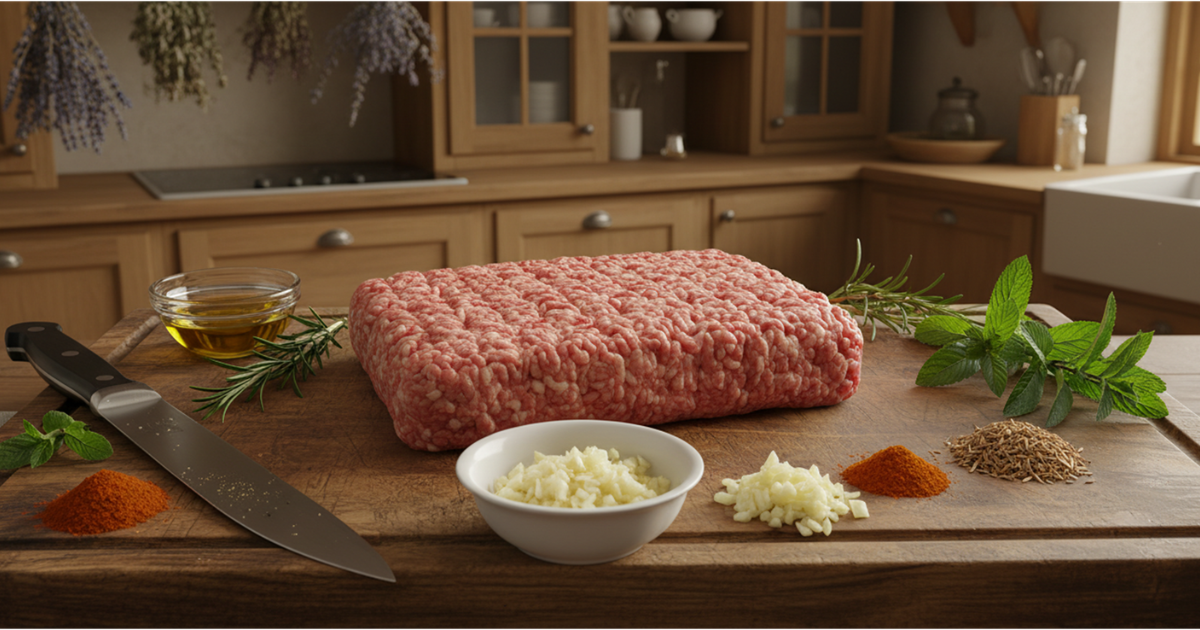
Learn how to cook ground lamb with simple tips
Table of Contents
Adding ground lamb to your weekly meal rotation is a fantastic way to elevate your home cooking. This versatile protein offers a rich, savory depth that stands out from standard beef or poultry options.
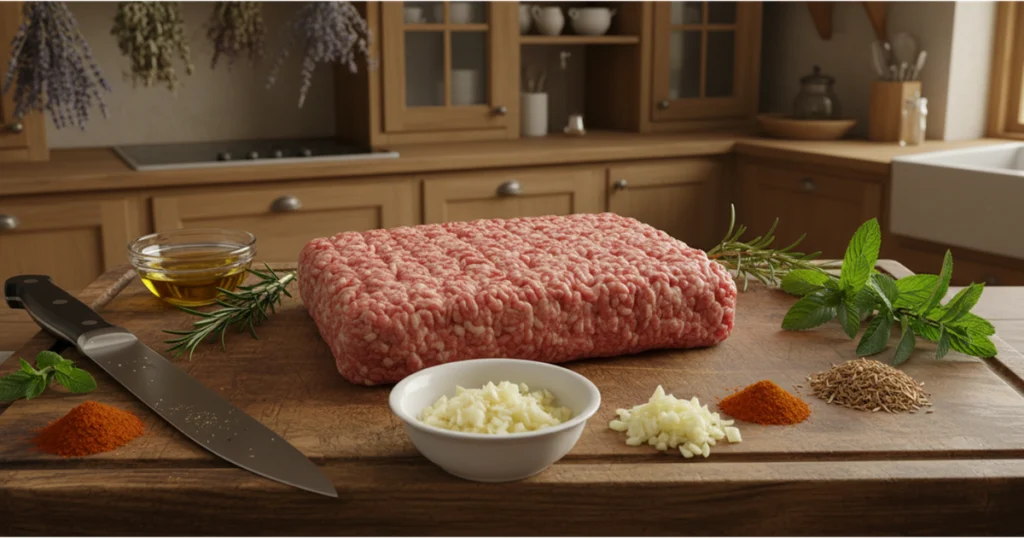
Many home chefs find this ingredient intimidating, but it is actually quite simple to prepare. By mastering a few essential techniques, you can create restaurant-quality dishes right in your own kitchen.
Whether you are crafting Mediterranean-inspired meatballs or a hearty shepherd’s pie, this meat provides a tender texture and bold flavor. With these straightforward tips, you will gain the confidence to handle this delicious ingredient with ease every time you cook.
Key Takeaways
- Discover why this protein is a perfect alternative to traditional meats.
- Learn basic preparation methods for consistent, flavorful results.
- Gain confidence in handling rich, tender ingredients in your kitchen.
- Explore how simple seasoning elevates your culinary repertoire.
- Master the art of cooking this staple for any weeknight meal.
Understanding the Flavor Profile of Ground Lamb
Exploring the rich, savory notes of ground lamb reveals why it is a favorite in global kitchens. This protein brings a distinct, earthy depth that is difficult to replicate with beef or poultry. By learning how to work with its natural characteristics, you can elevate your home cooking to a professional level.
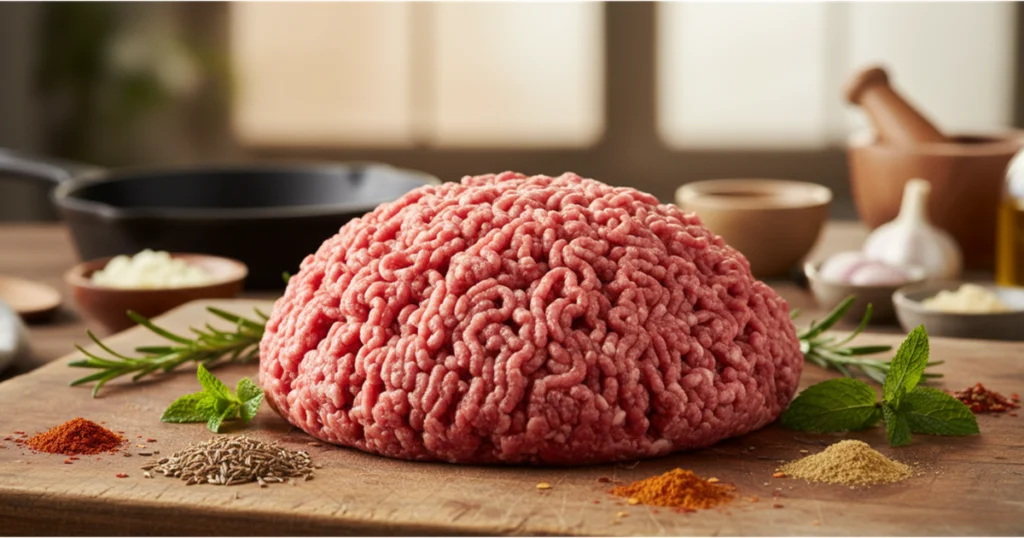
Why Lamb is a Unique Protein Choice
Lamb is prized for its robust and gamey flavor, which stands up well to bold spices and aromatics. Unlike milder meats, it provides a complex foundation for dishes ranging from Mediterranean kofta to hearty shepherd’s pie. When you choose ground lamb, you are selecting an ingredient that naturally carries the essence of pasture-raised quality.
This protein is incredibly versatile, absorbing marinades and spice rubs with ease. Its unique fat composition melts during the cooking process, basting the meat from the inside out. This results in a succulent mouthfeel that keeps your guests coming back for more.
Selecting the Right Fat Content for Your Dish
The texture of your final meal depends heavily on the fat-to-lean ratio of the ground lamb you purchase. A higher fat content is often necessary to prevent the meat from drying out during high-heat cooking methods. If you are making burgers or kebabs, you want enough fat to ensure the meat stays juicy and tender.
Always check the label or ask your butcher about the grind. A coarser grind is typically better for dishes where you want a rustic texture, while a finer grind works well for meatballs or sauces. Understanding these ratios helps you maintain the perfect balance of moisture and flavor in every bite of ground lamb.
| Fat Percentage | Best Culinary Use | Texture Result |
| 10% – 15% | Sauces and Stews | Lean and firm |
| 20% – 25% | Burgers and Kebabs | Juicy and succulent |
| 30% + | Slow-cooked dishes | Very tender and rich |
Essential Techniques for Cooking Ground Lamb
Achieving a professional sear on your meat requires patience and the right pan temperature. When you work with ground lamb, your primary goal is to balance a deep, flavorful crust with a tender, juicy interior. By focusing on heat control and preparation, you can elevate your home cooking to a restaurant-quality standard.
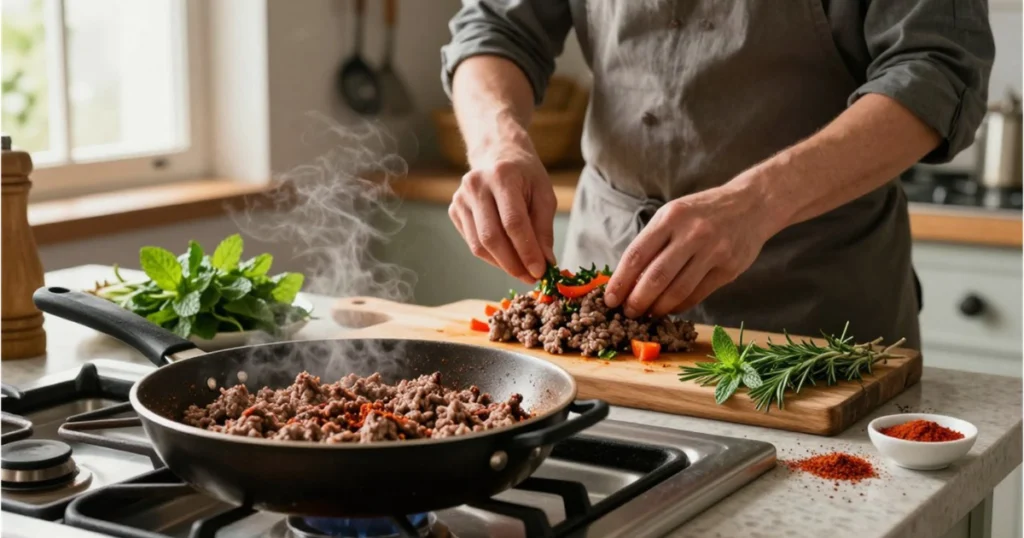
Mastering the Pan-Sear Method
To get the best results, start with a heavy-bottomed skillet, such as cast iron. Heat the pan over medium-high heat until it’s hot, but not smoking . Adding a small amount of high-smoke-point oil ensures that the meat makes direct contact with the surface, which is essential for creating a delicious crust.
Avoid overcrowding the pan, as this causes the meat to steam rather than sear. Work in small batches to maintain the temperature of the cooking surface. This simple adjustment allows the ground lamb to develop a rich, brown color that adds depth to your final dish.
Achieving the Perfect Texture for Kebabs
Creating ground lamb kebabs that hold their shape requires a bit of finesse. You should mix the meat gently, ensuring the fat is evenly distributed without overworking the proteins. Over-mixing can lead to a tough, rubbery texture that ruins the eating experience.
Once mixed, let the meat rest in the refrigerator for at least thirty minutes before shaping. This step helps the fat firm up, making it much easier to mold the mixture onto skewers. When you are ready to cook, keep the heat steady to ensure the ground lamb kebabs cook through without falling apart.
Tips for Even Browning and Flavor Development
Even browning is the key to unlocking the savory potential of your ingredients. You should resist the urge to move the meat too frequently while it cooks. Allowing the surface to sit undisturbed for a few minutes encourages the Maillard reaction, which creates complex, savory flavors.
If you notice excess liquid accumulating in the pan, drain it carefully to prevent boiling. Maintaining a dry environment in the skillet is crucial for achieving that perfect, golden-brown finish. With these foundational skills, you will find that preparing ground lamb becomes a consistent and rewarding part of your culinary repertoire.
Best Seasoning Ideas to Elevate Your Dish
The natural richness of ground lamb provides a perfect canvas for a wide variety of bold, aromatic seasonings. When you understand how to pair the right ingredients, you can transform a simple meal into a complex, restaurant-quality experience right in your own kitchen.
Classic Mediterranean Herb Pairings
Mediterranean flavors are famous for their ability to brighten heavy proteins. Herbs like oregano, rosemary, and thyme add an earthy depth that complements the savory profile of the meat perfectly.
- Fresh Mint: Adds a cooling, vibrant contrast to the fat.
- Dried Oregano: Provides a robust, peppery backbone.
- Parsley: Offers a clean, grassy finish to your ground lamb dishes.
Warming Spices for Middle Eastern Inspired Meals
If you prefer a deeper, more exotic flavor profile, look toward the spice cabinet. Warming spices are essential for creating authentic Middle Eastern meals that feel hearty and satisfying.
“Spices are the soul of the dish; they bridge the gap between simple ingredients and a memorable culinary journey.”
Try incorporating cumin, coriander, and cinnamon into your ground lamb mixture. These spices work together to create a fragrant aroma that defines traditional kebabs and spiced meatballs.
Balancing Richness with Acidic Ingredients
Because lamb is a high-fat protein, it can sometimes feel heavy on the palate. You must use acidic ingredients to cut through that richness and provide a necessary balance.
A squeeze of fresh lemon juice or a dollop of cool, tangy yogurt acts as a palate cleanser. By adding these elements to your ground lamb, you ensure that every bite remains bright, light, and perfectly seasoned.
What to Cook with Ground Lamb
Deciding what to cook with ground lamb can transform your kitchen routine into a culinary adventure. This rich, flavorful protein serves as a perfect base for a wide variety of global cuisines. Whether you want a quick weeknight dinner or a slow-cooked feast, this meat adapts beautifully to your needs.
Creating Authentic Ground Lamb Recipes Greek Style
When you explore ground lamb recipes Greek style, you open the door to timeless comfort foods. Traditional dishes like moussaka rely on the deep, savory profile of the meat to balance layers of eggplant and creamy béchamel sauce. You can also prepare keftedes, which are spiced meatballs seasoned with fresh mint, oregano, and garlic.
These dishes often benefit from a touch of lemon juice or feta cheese to cut through the natural richness of the lamb. Serving these meals with warm pita bread and tzatziki creates an authentic experience right in your own home.
Building Flavorful Ground Lamb Kebabs
If you are looking for a crowd-pleasing ground lamb recipe, look no further than classic kebabs. To build the best ground lamb kebabs, ensure your meat is well-chilled before shaping it onto skewers. This technique helps the protein hold its form during the grilling process.
Season your mixture with cumin, coriander, and a pinch of cinnamon for a warm, aromatic finish. Grilling over medium-high heat allows the fat to render properly, resulting in a juicy interior and a perfectly charred exterior.
Versatile Ways to Incorporate Lamb into Weekly Meals
You do not need to save this protein for special occasions. Incorporating ground lamb into your weekly rotation is easy when you think beyond traditional recipes. Try swapping it into your favorite pasta sauces, shepherd’s pie, or even spicy tacos for a unique twist.
| Dish Type | Primary Flavor Profile | Best Cooking Method |
| Greek Meatballs | Herbal and Zesty | Pan-Sear |
| Spiced Kebabs | Warm and Smoky | Grill |
| Lamb Pasta Sauce | Savory and Rich | Simmer |
By keeping a simple ground lamb recipe in your repertoire, you ensure that every meal feels special. Experimenting with different spices and cooking styles will help you discover your favorite way to enjoy this delicious ingredient.
Common Mistakes to Avoid When Preparing Lamb
You can elevate your cooking by learning how to sidestep frequent mistakes with ground lamb. While this protein is incredibly flavorful, it requires specific care to ensure the best results on your dinner plate. By avoiding these common errors, you will consistently produce tender and delicious meals.
Preventing Overcooking and Dryness
One of the most frequent errors is cooking the meat for too long. Because ground lamb has a relatively high fat content, it can quickly lose its moisture if exposed to excessive heat. You should aim to cook it just until it is browned and reaches a safe internal temperature.
Avoid leaving the pan unattended while the meat is browning. Using a meat thermometer is a smart way to ensure you do not dry out your dish. Once the meat is cooked through, remove it from the heat immediately to preserve its succulent texture.
Managing Excess Fat During the Cooking Process
Lamb is naturally rich, and the rendered fat can sometimes overwhelm a dish if not managed properly. You do not need to remove all the fat, as it carries significant flavor, but you should drain the excess if it pools in the pan. This simple step helps keep your final meal balanced and prevents a greasy mouthfeel.
Consider using a slotted spoon to transfer the cooked meat to a paper towel-lined plate. This technique effectively absorbs any unwanted grease before you incorporate the meat into your sauces or recipes. Proper fat management is the secret to a professional-quality finish.
Proper Storage and Handling for Food Safety
Food safety is paramount when working with any raw protein. Always keep your ground lamb refrigerated at or below 40°F until you are ready to start cooking. If you do not plan to use the meat within two days of purchase, store it in the freezer to maintain its quality.
Never leave raw meat on the counter to thaw, as this encourages bacterial growth. Instead, thaw it safely in the refrigerator overnight. Always wash your hands and sanitize surfaces that have come into contact with the raw product to prevent cross-contamination.
| Common Mistake | Resulting Issue | Recommended Solution |
| High Heat Cooking | Tough, dry texture | Use medium heat |
| Ignoring Excess Fat | Greasy, heavy flavor | Drain fat with a spoon |
| Improper Thawing | Safety risk | Thaw in refrigerator |
| Overcrowding Pan | Steaming instead of searing | Cook in smaller batches |
Conclusion
You now possess the essential knowledge to transform simple ingredients into restaurant-quality meals. Working with ground lamb opens a world of creative possibilities in your kitchen.
Your ability to balance bold spices with the natural richness of this meat defines your success as a home cook. Practice these techniques to refine your personal style and impress your guests during dinner parties.
Experimenting with fresh herbs and diverse cooking methods allows you to discover unique flavor profiles. You can rely on these foundational skills to ensure every batch of ground lamb turns out tender and delicious.
Make this protein a staple in your weekly meal rotation to enjoy consistent results. Share your favorite creations with friends or family to celebrate your progress in the kitchen. Your journey toward becoming a confident cook starts with these small, impactful steps.
FAQ
What to cook with ground lamb for a flavorful weeknight meal?
You can easily elevate your weekly menu by using this protein in a variety of ways. If you are looking for what to cook with ground lamb, consider making a quick ground lamb recipe like spiced lamb tacos or a rich Bolognese sauce. For a more traditional approach, many home cooks enjoy crafting ground lamb recipes Greek style, such as Keftedes (meatballs) or a hearty Moussaka using Fage Greek yogurt as a side or topping.
How do I ensure my ground lamb kebabs stay juicy and don’t fall apart?
To master ground lamb kebabs, you should prioritize the fat-to-meat ratio; a mix that is too lean will result in a dry, crumbly texture. When forming your ground lamb kebabs, chill the meat mixture in your KitchenAid refrigerator for at least 30 minutes before grilling to help the proteins bind. Using a high-quality ground lamb recipe that incorporates a small amount of grated onion can also add moisture and help the meat adhere to the skewers.
What are the best spices to use in ground lamb recipes Greek style?
Authentic ground lamb recipes Greek style rely heavily on a balance of earthy and bright flavors. You should use a combination of dried oregano, fresh mint, and minced garlic. To add depth, some chefs suggest a pinch of cinnamon or allspice. Always finish your dish with a squeeze of fresh Sunkist lemon juice to provide the necessary acidity to cut through the lamb’s natural richness.
How can I prevent ground lamb from becoming too greasy during cooking?
Because lamb has a higher fat content than lean beef, managing the rendering process is key. When you are browning the meat in a Le Creuset skillet, you may need to spoon out and discard excess fat halfway through the cooking process. This ensures your ground lamb recipe remains flavorful and succulent without becoming oily or heavy on the palate.
What internal temperature is recommended for properly cooked ground lamb?
To ensure food safety while maintaining a tender texture, you should cook ground lamb to an internal temperature of 160°F (71°C). Using a reliable digital thermometer, such as a ThermoWorks Thermapen, will help you avoid overcooking the meat. Overcooked lamb can become grainy and lose its signature earthy profile, so monitoring the temperature is essential for a professional-grade result.
Why is fat content so important when selecting ground lamb at the store?
The fat content is the primary source of flavor and moisture in any ground lamb recipe. When shopping for brands like American Lamb, look for a grind that balances lean meat with enough fat to ensure a “succulent mouthfeel.” This is especially important for high-heat methods like pan-searing or grilling ground lamb kebabs, where the fat protects the meat from drying out under intense heat.